Nearest Parking Near Hearing First Kingston - Directions and Parking Options
This Article Refreshed - Sat, 29 Aug 2026 19:42
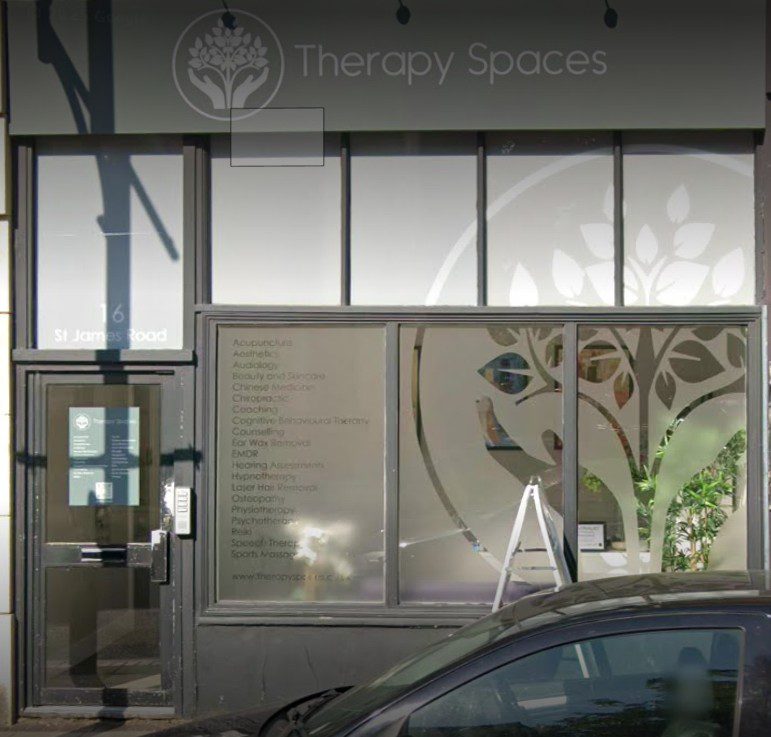
Waxfree Guarantee™: Kingston's only ear wax removal clinic offering the Waxfree Guarantee™.
We are the only specialist microsuction ear wax removal clinic in Kingston-upon-Thames to provide Microsuction Earwax Removal and Manual Instrument Earwax Removal with expert Audiologists. Every earwax removal practitioner is carefully selected by our founder, Jason Levy. In Kingston, we are genuinely the ear wax removal experts.
Our handy Kingston location in Southwest London also serves Kingston-Upon-Thames, Tolworth, Thames Ditton, East Molesey, West Molesey, Hersham, Claygate, Chessington, Hampton Wick, New Malden, Norbiton, Worcester Park, Bushey Park, Teddington, Twickenham, Sunbury-on-Thames, Cobham, Oxshott, Stoke D’Abernon, Stoneleigh, Ewell, Epsom, Leatherhead and Feltham.
Best Places to Park Before Your Hearing First Kingston Visit
If you are visiting Hearing First Kingston, the most useful parking choice is usually the one that gives you a legal stay, a clear walking route, and enough time to settle before your appointment. In Kingston upon Thames, that may be a permitted on-street bay, a public car park, or a short-stay space a little further away. The nearest space is not always the easiest one to use, especially if the signage is tight, the exit route is awkward, or you are arriving for ear wax removal, a hearing test, or hearing aid advice. A little planning can make the day feel calmer and more organised.
Think about the whole visit, not just the final few metres. Traffic, payment rules, and local restrictions can all affect how smoothly you get from the car to the clinic entrance. If you are travelling with a companion, carrying paperwork, or feeling uncertain in a busy town centre, a more predictable parking option can be worth the extra walk. The best choice is often the one that reduces stress, not the one that appears closest on a sat nav. That approach usually works well for hearing care appointments, where a calm arrival matters.
Free on-street parking is noted in the clinic area, but availability can vary during commuter hours, school runs and shopping times. If you know the roads are busy, leave a little earlier than you think you need. That gives you room to read the sign properly, choose a lawful bay, and walk in without rushing. For many patients, that small buffer is the difference between a smooth start and a frazzled one.
Choosing the Most Practical Space for a Short Visit
For a brief appointment, the best parking option is not always the one that appears closest on a sat nav. A space with clear signage, enough time allowance, and a simple route to the clinic can be the better choice in practice. This is especially true in busy parts of Kingston, where traffic, loading bays, and limited waiting rules can complicate a quick stop. If you are visiting for microsuction, ear examination, or a follow-up hearing consultation, the last thing you want is to watch the clock while you are still walking in.
Think about how long you will actually be away from the car. A hearing test or fitting session can take longer than expected if there are questions about results, device settings, or aftercare. A paid parking space may be more sensible than a free bay if it gives you a more predictable stay. If you are travelling with a companion, it can also help to agree in advance whether you will drop off first or park together. That small decision can make the visit feel smoother from start to finish.
Research Catalogue Results for Ear Wax Removal
- The auricular cough reflex: lateralization, prevalence, procedural determinants, and the role of examiner handedness. - van de Loo J, Mayer M, Sharaf K, Eckel H, Jansen L, Klussmann JP, Luers JC., 2026.
- High-definition otoscopic device for humanitarian mission: how i do it. - Lechien JR, Maniaci A, Kipsang MJ, Kibor M, Vaira LA., 2025.
- Use of Castor Oil in Dermatology: A Narrative Review. - Girdler K, Cabatu A, Olds H, Potts GA., 2026.
Source: Europe PMC. These are bibliographic matches, not personalised medical advice or an endorsement of a treatment.
A nearby car park can be a sensible choice if you want a clearer stay length, easier payment, and a more predictable return to the vehicle after the appointment. For some visitors, that is worth more than being right outside the clinic. In a busy part of Kingston, a car park can also reduce the time spent scanning several streets for a legal bay. That can make a real difference if you are attending for hearing tests, ear wax removal, or a fitting appointment and would rather keep the day straightforward.
Car parks are often easier to understand because they usually have one set of rules rather than several different roadside signs. That can help if you are not familiar with the area or if you are travelling with a companion. You know where the car is, how long you can stay, and what you need to do to leave. For many clinic visitors, that certainty is worth the extra walk.
Choosing Between a Roadside Bay and a Car Park
Car Parks Near Hearing First Kingston Surbiton
- Norbiton Station Car Park, approximately 0.5 miles from Hearing First Kingston Surbiton. View on Google Maps.
- Waitrose car park, approximately 0.9 miles from Hearing First Kingston Surbiton. View on Google Maps.
- Cattle Market Car Park, approximately 1.1 miles from Hearing First Kingston Surbiton. View on Google Maps.
Parking information and place links are provided by Google Maps. Check restrictions and charges locally.
The right parking choice depends on how long your visit is likely to take and how much certainty you want. A roadside bay can be ideal for a short hearing check if it is clearly signed and comfortably long enough for your stay. A car park may be better if you expect a fuller consultation, extra questions, or a discussion about hearing aid options. In practice, the best option is the one that keeps you calm and avoids a last-minute rush.
Think about the full experience, including parking, walking, check-in, waiting, and the return to the vehicle. If you are carrying notes, a coat, or hearing devices, easy access matters too. A location that is simple to find again can be just as important as the space itself. In Kingston, where roads can be busy and local restrictions change from one street to the next, certainty often wins over convenience by a small but meaningful margin.
Why Convenient Short-Stay Parking Helps
Short-stay parking is especially useful when an appointment is brief but important. Ear wax removal, hearing checks, and first hearing aid discussions usually involve arriving, being seen promptly, and then leaving with clear next steps. A space nearby cuts down walking time and can help if you are worried about missing your slot. It also creates a more manageable start and end to the visit, which can matter if you are bringing a companion or have mobility concerns.
A Small Detail That Makes a Difference
Keep your route, parking choice, and appointment time in sync, because even an otherwise smooth clinic visit can become awkward if you are searching for a space at the last minute. A quick look at the surrounding streets before you travel can save time and ease pressure on the day.
One Final Practical Point
If you are unsure which parking area is most suitable, pick the option that gives you the clearest walk to the clinic entrance and the least risk of overstaying. That is usually the safest approach for audiology appointments in a busy town centre.
How to Use Kingston On-Street Parking Safely

On-street parking can be the most convenient option if you arrive at the right time and find a legal bay close to the clinic. It may be especially handy for short visits, because you can often walk straight from the pavement to the appointment without a long detour. The trade-off is that roadside parking in Kingston can be closely regulated, so the sign at the kerb matters more than the postcode or the sat nav pin. A space that looks free is not always a space you can use for your full stay.
When parking on the street, read the restriction plate before you leave the car. Check whether the bay is controlled by time, permit, payment, or loading rules. Also look at the road markings, because a short stretch of yellow lines or a resident-only section can change what is allowed. If the first road is full, a nearby car park may save time and remove uncertainty. That is often the better choice when you are attending for ear wax removal, a hearing assessment, or hearing aid support.
What to Weigh Up First
If your visit is likely to be brief and the roadside sign is clear, a kerbside bay may suit you well. If there is any uncertainty, a public car park can reduce pressure and make the appointment easier to manage. The best choice is the one that supports a calm arrival and an easy return to the vehicle.
On-Street Parking Near the Clinic
On-street parking can be the most convenient option if you arrive early and find a legal space close to Hearing First Kingston. It is often useful for shorter visits, because you can walk straight in without adding much to the journey. The drawback is that road rules in Kingston can change from one street to the next, so the nearest space is not always the most suitable one. Always check the sign at the kerb before you leave the vehicle, because permit controls, loading restrictions, and time limits may apply.
If you are attending for microsuction, a hearing check, or a quick follow-up, roadside parking can work well when the stay is long enough. But if the appointment may run over, or if you want more certainty, a public car park may be less stressful. Keep a back-up road in mind so you can move on quickly if the first street is full. That simple habit can make the whole visit feel smoother.
Parking for Longer Audiology Appointments

Some visits at Hearing First Kingston may be short, but others can take longer if you are discussing hearing aid options, reviewing test results, or asking about aftercare. In those cases, parking should be chosen with flexibility in mind. A bay with a short time limit may be fine for a very brief stop, but it can create pressure if the consultation runs on. A more generous parking option can make the whole appointment feel calmer and allow you to focus on the discussion instead of the meter. That is often the better choice for detailed audiology visits.
Think about the full visit from the moment you park to the moment you leave. You may need time to walk in, fill out a form, wait briefly, and then gather yourself before heading back to the car. If you are comparing devices or discussing hearing loss management, those extra minutes are part of the appointment rather than wasted time. The most practical parking is usually the one that gives you enough margin to stay focused on the discussion rather than on the time left on your ticket.
Best Parking Choices Before Your Hearing First Kingston Visit
Find Parking Close to Hearing First Kingston
When looking for parking near Hearing First Kingston, begin with a realistic expectation that the nearest available space may not be directly outside the clinic. Free on-street parking is noted in the clinic area, although availability can vary during school runs, shopping periods and commuter hours. Leaving earlier gives you time to assess a bay properly and make the final walk without a rushed start.
For an audiology visit, convenience is about more than distance. Consider whether the space is legal for your intended stay, whether the route is comfortable in the weather and whether you can find the vehicle easily after ear wax removal, a hearing test or hearing aid fitting. If you are attending with another person, a safe and lawful drop-off followed by separate parking may be worth considering.
Always confirm current parking restrictions locally before leaving your vehicle. A nearby space with clear signage and a manageable walk can be more valuable than an uncertain bay closer to the entrance. With parking settled, you can arrive at the clinic ready to concentrate on your hearing care and any questions you would like to discuss.
Easy Arrival Tips for Visitors from Nearby Areas

If you are coming into Kingston from a nearby neighbourhood, the parking question can be easier if you treat it as part of route planning. That way, you can decide in advance whether you want to park once and walk, or whether a drop-off and separate park would suit you better. For a clinic visit involving ear wax removal, a hearing test, or aftercare advice, the less you have to sort out on arrival, the better. A few minutes of planning can save a lot of stress.
Local roads may vary in traffic flow, and the nearest space may be on a narrow street or in a busier zone than you expected. If you are unfamiliar with Kingston, it can help to use your journey time to identify a primary option and a back-up. That may be a short-stay bay, a nearby council car park, or a legal on-street space on a quieter road. The aim is to arrive steadily, with enough time to find your bearings and walk in calmly.
Helpful Things to Note When You Park
Keep the details simple and practical. A road name, a nearby landmark, and a quick photo of the sign are often enough to make the return easy. These steps are particularly helpful if you are carrying paperwork, hearing devices, or personal items after the appointment.
| Helpful detail | Why it matters |
|---|---|
| Street name | Makes the return walk easier to follow |
| Nearby landmark | Helps if several roads look similar |
| Photo of the sign | Gives you a quick reminder later |
| Location pin | Useful in a busy town centre |
One Simple Habit
Before you head inside, take a quick photo of the street sign or parking zone. That small step can save time later and help you avoid wandering in the wrong direction.
Extra Tip for First-Time Visitors
If this is your first visit, arrive a little earlier than you think you need. A short buffer helps you settle, complete any paperwork, and reach the clinic without feeling rushed by parking limits or traffic conditions.
Use on Street Bays with Care Near the Clinic
On-street parking can offer a direct route to Hearing First Kingston when a legal space is available, particularly for a shorter appointment. However, road restrictions can differ between neighbouring streets, so the closest bay is not automatically the most suitable. Before walking away, check the nearby sign and road markings carefully to establish whether the space matches the likely duration of your ear wax removal, hearing check or follow-up visit.
- Confirm the hours of control and any maximum stay before leaving the vehicle.
- Look for permit requirements, loading restrictions, yellow lines and bay-specific conditions.
- Ensure the allowance covers parking, the walk to the clinic, the appointment and your return.
- Make a note of the street name and a recognisable landmark to simplify the return walk.
A public car park may be the more comfortable alternative if roadside rules seem unclear or if the visit could involve extra time for questions and aftercare. This can also be useful when arriving with a companion, parent or carer. The aim is not simply to park nearest to the entrance, but to choose a lawful, understandable option that lets the visit begin and end without avoidable distraction.
Choose the Option That Suits the Visit, Not Just the Address
The best place to park is often the one that matches the length and purpose of your visit. For some people that will be a roadside bay, for others a public car park, and for others a drop-off with a companion. Think about the whole journey before you decide.
How to Decide Between a Roadside Bay and a Car Park

The right parking choice depends on how long your visit is likely to take and how much certainty you want. A roadside bay may be ideal for a short hearing check if it is clearly signed and comfortably long enough for your stay. A car park may be better if you expect a fuller consultation, extra questions, or a discussion about hearing aid options. In practice, the best option is the one that keeps you calm and avoids a last-minute rush.
Think about the whole experience, including parking, walking, check-in, waiting, and the return to the vehicle. If you are carrying notes, a coat, or hearing devices, easy access matters too. A location that is simple to find again can be just as important as the space itself. In Kingston, where roads can be busy and local restrictions change from one street to the next, certainty often wins over convenience by a small but meaningful margin.
Car Parks Near Hearing First Kingston Surbiton
When roadside parking is not practical, a nearby car park can be a sensible back-up. The listed options for Hearing First Kingston Surbiton give you three different walking distances to consider, which can help you balance convenience against certainty. Car Park 1, Kingston Hospital is approximately 0.5 miles away, Waitrose car park is around 0.9 miles away, and Cattle Market Car Park is roughly 1.1 miles away. Those distances may not sound large, but they can feel different depending on the weather, the time of day, and whether you are carrying anything with you.
A dedicated car park can be helpful when you want a clearer stay length and fewer roadside surprises. It may suit a hearing test, microsuction ear wax removal, or a hearing aid consultation where you would rather know exactly how long you can remain parked. Always check the current signs locally, as charges, restrictions, and payment methods can change. If the first option looks full, having a second nearby location in mind can save time and reduce pressure.
For voice search and quick planning, the simplest answer is this: if you need the least complicated choice, use the car park with the clearest rules and enough time for your appointment. A slightly longer walk is often worth it when the parking itself feels straightforward.
What Helps Most on a Short Visit
A straightforward bay, an easy return route, and enough time to spare usually matter more than being directly outside the door. Those are the details that reduce stress and help the appointment feel calm.
A short visit still needs enough parking time to stay unhurried.
- Check the sign at the bay entrance before you leave the vehicle.
- Allow a little extra time in case you need to find the clinic entrance.
- Keep the return route simple so you can collect the car without wandering.
- Use a back-up option if the first street is full or unclear.
- Pick the space that matches the appointment length, not just the distance.
Parking for Hearing Tests and Longer Consultations
Hearing tests and hearing aid consultations often take longer than a very short clinic stop, so parking should be planned with the full visit in mind. If you are discussing hearing loss, speech understanding, rechargeable hearing aids, or Bluetooth compatibility, you do not want to keep checking the clock. A parking space with a sensible stay period helps you stay focused on the conversation and makes the appointment feel less pressured. That can be especially helpful if you are new to hearing care or are bringing someone with you for support. It also helps to think about the end of the visit. You may leave with notes, aftercare guidance, or questions for a follow-up appointment, so being able to return to the car without a confusing walk is useful. If you use a sat nav, treat it as a guide rather than the final word, because the nearest pin is not always the most practical parking choice. Clarity, route ease, and enough time to finish properly all matter here.
| Visit type | Parking style that often suits it |
|---|---|
| Quick hearing check | Short-stay bay with clear roadside signs |
| Detailed hearing test | Car park or longer-stay space |
| Hearing aid consultation | Predictable stay with easy return route |
| Visit with a companion | Drop-off plus separate parking if safe and legal |
Travel and Parking Preparation from Nearby Areas

Visitors travelling from nearby Kingston neighbourhoods can make the final approach easier by deciding on a primary parking choice and a realistic alternative before leaving home. This reduces the need to circle busy streets if the first option is occupied. Whether you are visiting for ear wax removal, a hearing assessment or a follow-up consultation, a little planning helps the appointment begin in a more settled way. Navigation tools can assist with the main route, but they cannot replace the information on local parking signs. Conditions can vary across a small area, and the closest pin may not lead to the most suitable space for your required stay. Check your appointment time, charge your phone and consider the effect of traffic, weather and pedestrian crossings when deciding how much extra time to allow. If you are travelling with a parent, partner or carer, agree the arrival plan in advance. Where it can be done safely and legally, one person may go into the clinic while another finds parking. Keeping the plan simple can reduce pressure for everyone and help the appointment begin on time.
Use Kingston On-Street Bays Carefully
On-street parking can offer a convenient route to Hearing First Kingston, particularly for a shorter ear wax removal or hearing care visit. However, a space that appears available may still be unsuitable for your stay. In Kingston, local conditions can vary between neighbouring streets, so rely on the nearest restriction plate and road markings rather than assumptions based on a sat nav location.
Before leaving your vehicle, confirm whether the bay is subject to timed controls, permits, payment requirements or loading restrictions. If the rules are unclear, the stay allowance feels tight or the first road is full, a nearby car park may be the calmer choice. The aim is to select a legal space that supports an unhurried walk to and from the clinic.
- Read the sign positioned for the specific bay you are using.
- Check yellow lines, bay markings and any loading restrictions nearby.
- Make sure the permitted stay covers your appointment and return walk.
- Keep a back-up car park or street in mind for busy periods.
Allow Enough Time for Hearing Care Visits
When visiting for a hearing test or hearing aid consultation, select parking that supports an unhurried discussion. Time may be needed to review hearing concerns, consider available hearing aid features or organise follow-up information, so it is sensible to avoid a space that leaves you watching the clock throughout the appointment.
Before walking away from the vehicle, confirm how payment is made and whether the permitted stay is suitable for the complete visit. Keep relevant hearing devices, previous results and appointment notes accessible, and use a memorable landmark or phone location pin to simplify the walk back after your audiology appointment.
Prepare for a Longer Hearing Consultation
Hearing tests and hearing aid consultations may involve time to discuss results, hearing needs and device features, so choose parking with the whole visit in mind. If you are considering rechargeable or Bluetooth-compatible hearing aids, a bay with a very limited stay could create unnecessary pressure. A predictable parking arrangement allows you to remain focused on the advice being discussed.
It is also worth planning for the end of the appointment. You may need a few moments to organise notes, personal belongings or follow-up information before returning to the vehicle. A car park or clearly regulated on-street bay can be a sensible option when you value an easy-to-retrace route and enough time for a measured departure.
- Allow time for parking, the walk in, consultation and any questions afterwards.
- Check whether payment or registration is required before walking away.
- Keep relevant hearing devices, previous results and notes easy to access.
- Use a parking option with clear conditions if the expected visit may be longer.
Published Payment Methods
- Credit cards
- Debit cards
- Contactless or NFC payments
Payment information may change. Confirm prices, insurance eligibility and accepted methods directly with the provider. Place attributes are provided by Google Maps.

Driving to an ear care clinic can be a sensible choice if you want a direct journey and an easy return home after treatment. For many people, ear wax removal or hearing aid fitting feels more manageable when they can keep personal items in the car and travel to their own schedule. Kingston parking can vary by day and time, so it helps to understand your options before you arrive. If you manage to find on-street parking close to Hearing First Kingston, the whole visit may stay compact and involve less walking.
It is also worth thinking about the result of the appointment. After microsuction, some people feel immediate relief, while others prefer a few quiet minutes before they leave. If you are having a hearing test, you may want a little time afterwards to consider the results or ask follow-up questions. Nearby parking can make that much easier, especially if you are not keen to rush straight back into busy traffic.
Parking If You Are Coming with a Parent, Partner, or Carer
Ear wax removal appointments are usually easier when you do not feel rushed on arrival. If you are visiting Hearing First Kingston for microsuction or a manual ear cleaning consultation, choose parking that lets you walk in steadily rather than dash from the car. Discomfort, blocked hearing, or tinnitus can make a fast-paced arrival feel more stressful, so a simple parking plan can genuinely improve the experience. A space with a sensible time allowance is often more useful than the nearest space with unclear rules.
Before you park, think about the whole visit, not just the first few minutes. You may need time to complete forms, wait briefly, and collect any aftercare advice before heading back out. If weather is poor or you are carrying a coat, umbrella, or documents, a shorter walk can still be worthwhile, but only if the bay is legal and the stay is long enough. That balance matters more than saving a minute or two.
What to Look for in a Suitable Bay
Try to find a space with obvious signs, a straightforward route back to the main road, and enough room to park without awkward manoeuvres. It is worth checking whether the parking is free, timed, or controlled by a local app. That small check can prevent unnecessary delays once you arrive. If you are unsure which street is best, choose the option that gives you the least chance of overstaying.
One Useful Habit
Take a minute to note the parking sign and nearest street name before you walk off. If you return later than planned, that quick reminder can help you find the car faster and avoid confusion in a busy part of town.
Extra Tip for First-Time Visitors
If this is your first visit, arrive a little earlier than you think you need. A short buffer helps you settle your nerves, complete any paperwork, and reach the clinic without feeling rushed by parking limits or traffic conditions.
Choose Parking That Matches Your Appointment
Match the parking option to the likely length of your visit, rather than focusing only on the closest available space. A hearing assessment, microsuction appointment or hearing aid consultation may include time for questions, results and aftercare discussion, so a clearly regulated stay can be more useful than a restrictive kerbside bay.
- Estimate the full time needed for parking, walking, check-in and the appointment.
- Read the parking sign at the exact bay or car park entrance before leaving the vehicle.
- Choose a back-up option if the first space is occupied or its conditions feel unsuitable.
- Save the street name or car park location to make your return journey straightforward.
Making the Return Walk Easy After Your Appointment
Parking near a hearing clinic is not only about the arrival, because the return walk matters too. After ear wax removal, a hearing test, or a hearing aid consultation, you may want to leave the building, collect yourself, and walk back to the vehicle without confusion. A parking space that is simple to remember and easy to reach again can make the end of the visit much smoother. That is especially useful if you feel more comfortable after treatment and want to get home without extra hassle.
When you first park, take a moment to notice a landmark, road name, or nearby shop front. Those small details can help you find the car again if the area is busy or if several streets look similar. It is also sensible to save the location on your phone if you know the area can feel confusing. That way, you can focus on your hearing care rather than on retracing your steps. A clear return route is often overlooked, but it can be one of the most useful parts of the parking plan.
What to Note Before You Walk Away
Keep the details simple and useful. A road name, a nearby landmark, and a quick photo of the sign are often enough to make the return easy. These steps are particularly helpful if you are carrying paperwork, hearing devices, or personal items after the appointment.
| Helpful detail | Why it matters |
|---|---|
| Street name | Makes the return walk easier to follow |
| Nearby landmark | Helps if several roads look similar |
| Photo of the sign | Gives you a quick reminder later |
| Location pin | Useful in a busy town centre |
Useful Micro-Guideline
Before you head inside, take a quick photo of the parking sign or street name. It can save time later and help you avoid wandering in the wrong direction.
Extra Tip for First-Time Visitors
If this is your first visit, arrive a little earlier than you think you need. A short buffer helps you settle, complete any paperwork, and reach the clinic without feeling rushed by parking limits or traffic conditions.
Parking Tips for Ear Wax Removal Appointments in Kingston

Ear wax removal appointments are usually easier when you do not feel rushed on arrival. If you are visiting Hearing First Kingston for microsuction or a manual ear cleaning consultation, choose parking that lets you walk in steadily rather than dash from the car. Discomfort, blocked hearing, or tinnitus can make a fast-paced arrival feel more stressful, so a simple parking plan can genuinely improve the experience. A space with a sensible time allowance is often more useful than the nearest space with unclear rules.
Before you park, think about the whole visit, not just the first few minutes. You may need time to complete forms, wait briefly, and collect any aftercare advice before heading back out. If weather is poor or you are carrying a coat, umbrella, or documents, a shorter walk can still be worthwhile, but only if the bay is legal and the stay is long enough. That balance matters more than saving a minute or two.
Keeping the Handover Smooth
Agree in advance who will park, who will walk in first, and where you will meet afterwards. That way, nobody has to improvise in traffic or search for instructions while other drivers are waiting behind you.
One Simple Habit
Choose a clear meeting point, such as a visible corner or landmark near the clinic entrance. It makes the return easier if you finish at different times.
Extra Tip for Busy Days
If the roads around the clinic look congested, let the patient go in first and park afterwards. That simple split can reduce stress for everyone and keep the appointment on time.
How to Avoid Common Parking Mistakes
Do not rely on memory or assume that a previous visit means the same rule still applies. Streets can differ within a few steps, and temporary changes may also appear. A quick check at the sign is the safest habit.
- Read the nearest sign and confirm the hours when restrictions apply.
- Look for permit plates, loading bays, and painted lines that change the rule.
- Make sure the permitted stay comfortably covers the full appointment.
- Take note of the road name before walking to the clinic entrance.
- Keep a back-up parking option in mind if the first street is already busy.
One Useful Check Before You Leave the Car
Confirm the sign at the exact bay or car park entrance, then decide whether the stay is long enough for the full appointment. That one habit prevents most parking mistakes.
Handy Micro-Guideline
If you are unsure how long the appointment will take, choose the option that gives you a little more time than you think you need. It is a small safeguard against rushing.
Why That Matters in Kingston
Kingston traffic, pedestrians and changing parking rules can make short stops feel tighter than expected. A slightly more generous parking choice often feels easier both before and after the visit.
Using On-Street Parking Carefully in Kingston
On-street parking can be the most convenient option if you arrive at the right time and find a legal bay close to the clinic. It may be especially handy for short visits, because you can often walk straight from the pavement to the appointment without a long detour. The trade-off is that roadside parking in Kingston can be closely regulated, so the sign at the kerb matters more than the postcode or the sat nav pin. A space that looks free is not always a space you can use for your full stay.
When parking on the street, read the restriction plate before you leave the car. Check whether the bay is controlled by time, permit, payment, or loading rules. Also look at the road markings, because a short stretch of yellow lines or a resident-only section can change what is allowed. If the first road is full, a nearby car park may save time and remove uncertainty. That is often the better choice when you are attending for ear wax removal, a hearing assessment, or hearing aid support.
A legal space with simple rules is usually better than a closer space with uncertainty attached.
Plan a Practical Parking Route to Hearing First Kingston
For a calmer arrival at Hearing First Kingston Surbiton, choose parking based on the full journey rather than the shortest apparent distance. The listed alternatives include Car Park 1 at Kingston Hospital, approximately 0.5 miles away, the Waitrose car park at around 0.9 miles, and Cattle Market Car Park at roughly 1.1 miles. Each may provide a useful back-up if a permitted on-street bay is unavailable or unclear.
- Check the walking route from your chosen parking location before setting off.
- Allow time for traffic, parking, the walk to the clinic and check-in.
- Read the sign at the precise bay or car park entrance before leaving your vehicle.
- Save the street name or location pin to make the return walk easier.
A dedicated car park can be a sensible option for a hearing test, microsuction ear wax removal or hearing aid appointment when you would prefer a more predictable place to leave the car. Parking conditions, space availability and local restrictions can change, so confirm the current information on arrival. A legal space with a clear route and adequate time allowance is often more valuable than an uncertain bay closer to the clinic.
Plan a Calm Arrival at Hearing First Kingston
Allow time to choose a lawful parking space and complete the final walk to Hearing First Kingston without rushing. A permitted on-street bay may be convenient, while a public car park can offer a more predictable alternative when local roads are busy. For ear wax removal, a hearing test or hearing aid advice, prioritise clear restrictions and a route you can follow comfortably.
Free on-street parking is noted in the clinic area, but availability can vary around commuter periods, school runs and shopping times. Arriving with a modest time buffer gives you the opportunity to read the relevant sign, assess the parking conditions and reach the clinic in a more settled frame of mind.
Parking for Hearing Tests and Hearing Aid Visits

Hearing tests and hearing aid consultations often take longer than a very short clinic stop, so parking should be planned with the full visit in mind. If you are discussing hearing loss, speech understanding, rechargeable hearing aids, or Bluetooth compatibility, you do not want to keep checking the clock. A parking space with a sensible stay period helps you stay focused on the conversation and makes the appointment feel less pressured. That can be especially helpful if you are new to hearing care or are bringing someone with you for support.
It also helps to think about the end of the visit. You may leave with notes, aftercare guidance, or questions for a follow-up appointment, so being able to return to the car without a confusing walk is useful. If you use a sat nav, treat it as a guide rather than the final word, because the nearest pin is not always the most practical parking choice. Clarity, route ease, and enough time to finish properly all matter here.
- Choose parking that allows enough time for both the consultation and any discussion afterwards.
- Check whether payment is by machine, app, or card before you leave the vehicle.
- Keep your phone charged in case you need to contact the clinic or a companion.
- Allow extra minutes if you are bringing notes, hearing aids, or previous results.
- Consider a car park if you would rather avoid watching the meter during the appointment.
Parking When You Are Travelling with a Companion
If you are coming with a parent, partner, carer, or child, parking becomes part of the appointment plan rather than a small afterthought. A companion may need to help with directions, forms, reassurance, or carrying items, especially if the visit involves ear wax removal or hearing care discussions. In that situation, the best parking is often the one that keeps everyone close together and reduces the number of decisions to make on arrival. A clear plan can make the whole visit feel calmer and easier to manage.
A drop-off near the clinic can be useful if one person wants to go in while the driver parks. That approach can work well in a busy part of Kingston where roadside spaces are limited. It also helps when someone needs support during a hearing test or feels more comfortable arriving with family. A predictable plan can make the visit less stressful from start to finish, particularly if you are already managing a health concern.
Best Parking Options Before a Hearing First Kingston Appointment
Parking near a hearing clinic is not only about arrival, because the walk back to the car matters too. After ear wax removal, a hearing test, or a hearing aid consultation, you may want to leave the building, collect yourself, and walk back without confusion. A parking space that is easy to remember and easy to reach again can make the end of the visit much smoother. That is particularly useful if you leave with aftercare notes or new hearing devices.
When you first park, notice a landmark, road name, or nearby shop front. Those small details can help you find the car again if the area is busy or if several streets look similar. Saving the location on your phone can also help if you are unfamiliar with Kingston. A clear return route is often overlooked, but it can be one of the most useful parts of the parking plan.
Make the Return Walk to Your Car Simpler
A well-planned parking choice should work just as well after your Hearing First Kingston appointment as it does on arrival. Following ear wax removal, a hearing test or hearing aid consultation, it can be reassuring to know exactly where the vehicle is and how to reach it. Selecting a location with a recognisable route back can reduce unnecessary searching in busy Kingston streets.
- Note the road name as soon as you park.
- Identify a memorable landmark, junction or shop front near the vehicle.
- Save the parking location on your phone, particularly in an unfamiliar area.
- Photograph the parking sign if you may need to check its conditions later.
These simple steps can be particularly helpful when carrying aftercare notes, hearing devices or personal belongings. If two spaces seem equally suitable, consider the pedestrian route as well as the distance. A slightly longer walk on a clear, easy-to-retrace route may be more practical than a closer space that is difficult to locate again after your audiology appointment.
Parking Advice for People Travelling from Nearby Areas

For a brief appointment, the best parking option is not always the one that appears closest on a sat nav. A space with clear signage, enough time allowance, and a simple route to the clinic can be the better choice in practice. This is especially true in busy parts of Kingston, where traffic, loading bays, and limited waiting rules can complicate a quick stop. If you are visiting for microsuction, an ear examination, or a follow-up hearing consultation, the last thing you want is to watch the clock while you are still walking in.
Think about how long you will actually be away from the car. A hearing test or fitting session can take longer than expected if there are questions about results, device settings, or aftercare. A paid parking space may be more sensible than a free bay if it gives you a more predictable stay. If you are travelling with a companion, it can also help to agree in advance whether you will drop off first or park together. That small decision can make the visit feel smoother from start to finish.
- Allow time for parking, check-in, and the short walk to the clinic entrance.
- Check whether the bay is on-street, pay-and-display, or part of a managed car park.
- Read the sign carefully before leaving the vehicle, even if the space looks obvious.
- Keep a backup option in mind if the first street is full.
- Note the road name so you can find the car quickly after the appointment.
Where to Park for Hearing Tests and Consultations

Hearing tests and hearing aid consultations often involve a bit more time than a simple check-in, so your parking choice should allow for a calm start and a relaxed finish. If you are discussing rechargeable hearing aids, sound quality, or speech understanding in noise, it is useful not to feel hurried by a parking meter. A spot with a sensible stay period can make the appointment more comfortable and give you room to ask questions properly.
For many patients, the best parking is one that supports the whole visit rather than just the arrival. That may mean choosing a car park with clearer rules, or a quiet street with a legal stay long enough for the consultation. If you are bringing hearing aids, notes, or previous test results, you may also want easy access to the boot or glovebox after the appointment. A neat parking plan can make all of that simpler, especially if you are also navigating Kingston town centre traffic.
Allow Time for Hearing Care Visits
Parking for hearing tests and hearing aid visits should support an unhurried appointment from start to finish. The section notes that visitors may wish to discuss hearing aid models, rechargeable options or Bluetooth compatibility, all of which can mean more time than a simple check-in. A parking space with a sensible permitted stay can make it easier to concentrate on the advice and questions that matter to you.
It is also sensible to plan for the period after the consultation. You may need a few moments to organise aftercare guidance, notes or personal belongings before driving away. Check the final walking route rather than relying entirely on a sat nav pin, as the closest indicated parking location may not be the easiest place to use or return to.
- Build extra time into your journey for traffic, parking and pedestrian crossings.
- Check how parking is managed before leaving the vehicle.
- Keep your phone available if you need to contact a companion.
- Select a location with a clear route back after your audiology appointment.
Best Places to Leave the Car Before a Hearing First Kingston Visit
If you are heading to Hearing First Kingston, the most practical parking choice is usually the one that gives you a legal space, a short walk, and enough time for the appointment itself. In this part of Kingston upon Thames, on-street bays, paid parking, and nearby public car parks can all be useful, but availability can change quickly during busier periods. For a hearing test, ear wax removal, or hearing aid advice, it is often better to choose a space with clear restrictions than to chase the closest kerbside bay and risk a delay.
Plan for the last part of the journey as carefully as the drive there. A calm arrival helps if you are carrying notes, supporting a relative, or arriving with reduced hearing comfort. Check the street name, the parking signs, and whether your expected stay fits the limit. If the first option looks uncertain, move on to a back-up rather than circling the block. A sensible parking plan can make the whole audiology visit feel easier from the start.
Using On-Street Parking Safely in Kingston
On-street parking can be the most convenient option if you arrive at the right time and find a legal bay close to the clinic. It may be especially handy for short visits, because you can often walk straight from the pavement to the appointment without a long detour. The trade-off is that roadside parking in Kingston can be closely regulated, so the sign at the kerb matters more than the postcode or the sat nav pin. A space that looks free is not always a space you can use for your full stay.
When parking on the street, read the restriction plate before you leave the car. Check whether the bay is controlled by time, permit, payment, or loading rules. Also look at the road markings, because a short stretch of yellow lines or a resident-only section can change what is allowed. If the first road is full, a nearby car park may save time and remove uncertainty. That is often the better choice when you are attending for ear wax removal, a hearing assessment, or hearing aid support.
Choose a Car Park When Streets Are Full
If the nearest roads are busy, using a car park can be a practical back-up rather than a compromise. A slightly longer walk may be worthwhile when it gives you a more predictable place to leave the vehicle and reduces the need to circle local streets. This approach can make the arrival feel more manageable for a hearing test, microsuction appointment or hearing aid consultation.
Before walking away, check the information displayed at the entrance and ensure that the conditions suit your expected visit. Parking arrangements, payment processes and permitted stays can change, so on-site notices should always guide your decision. Saving the car park name or location can also prevent unnecessary searching once your Hearing First Kingston appointment has finished.
- Use a car park when roadside rules are unclear or the available stay feels tight.
- Allow additional time for the walk, especially when attending with a companion.
- Check the displayed payment method and maximum stay locally.
- Record the parking location for a simpler return to the car.
Plan Parking Near Hearing First Kingston
For a more comfortable arrival at Hearing First Kingston, plan for both the parking search and the final walk to the clinic. Nearby options listed for the Surbiton location include Car Park 1 at Kingston Hospital, around 0.5 miles away, the Waitrose car park at roughly 0.9 miles, and Cattle Market Car Park at approximately 1.1 miles. These alternatives can be useful if on-street bays near the clinic are already occupied.
- Check the parking location, route and walking distance before setting off, particularly when travelling at busier times.
- Read local signs on arrival and confirm applicable restrictions, charges and permitted stay periods.
- Allow extra time for parking and walking, so you can reach your ear care or audiology appointment without feeling rushed.
Free on-street parking is noted in the clinic area, but availability may change during school runs, shopping periods and commuter hours. If you are attending for microsuction ear wax removal, a hearing test or hearing aid support, a calm journey can make the visit easier to manage. Where appropriate, travelling with a companion may also make drop-off and parking arrangements more straightforward. Always check current local conditions before leaving your vehicle.
Parking Confidence for Your Hearing Care Appointment
Good parking planning can make a hearing care appointment feel much more manageable. When you know where you are going to leave the car, you can concentrate on the reason for the visit, whether that is ear wax removal, a hearing check, or advice about hearing aids. In a busy place like Kingston, confidence comes from preparation. It is not just about being close to the clinic, but about knowing the space is legal, suitable for your stay, and easy to find again afterwards.
If you are unsure which option to choose, favour the one that gives you clarity. That may mean a car park with obvious rules, a street with straightforward signage, or a drop-off arrangement that avoids the pressure of finding a bay at the last minute. If you are travelling with family, a companion, or a child attending for microsuction, a simple plan can reduce confusion and help everyone arrive on time. When parking is sorted in advance, the rest of the visit often feels smoother too.
For clinic visits, the best parking is the one that keeps the appointment calm from the start.
Before you set off, keep one practical goal in mind, legal parking with a route you can retrace easily after the appointment. That simple approach is usually the most reliable in Kingston upon Thames.
Travel and Parking Preparation from Nearby Areas
Visitors travelling from nearby Kingston neighbourhoods can make the final approach easier by deciding on a primary parking choice and a realistic alternative before leaving home. This reduces the need to circle busy streets if the first option is occupied. Whether you are visiting for ear wax removal, a hearing assessment or a follow-up consultation, a little planning helps the appointment begin in a more settled way.
- Allow a buffer for traffic, parking, the walk to the clinic and check-in.
- Decide whether parking once and walking, or a safe and lawful drop-off followed by separate parking, best suits your party.
- Check the sign at the exact roadside bay for time limits, permits, payment requirements and loading restrictions.
- Keep a second parking location in mind, rather than relying solely on the nearest sat nav result.
On-street parking may offer a direct route when a permitted space is available, but restrictions can differ between neighbouring roads. If the terms are difficult to interpret or the time allowance feels tight, a public car park may be the lower-stress choice. For anyone travelling with a parent, partner or carer, agreeing the arrival and meeting plan in advance can also make the visit more straightforward.
Audiologist-Led Ear Wax Removal
Hearing First Kingston explains that ear wax removal is carried out by qualified Audiologists rather than non-clinical staff. The clinic presents this as an important part of providing care tailored to the individual, recognising that the ear and hearing system require informed professional attention. Visitors seeking ear wax removal can therefore understand the clinic's emphasis on specialist knowledge of ear anatomy and physiology.
The section highlights a careful, safety-focused approach to treatment. If you have questions about microsuction, manual instrument ear wax removal or whether an appointment is appropriate for your circumstances, asking the clinic before your visit can help you arrive informed. Clear discussion of your symptoms and relevant concerns supports a more confident ear care experience.
Specialist-led ear care can offer useful reassurance when you want a considered approach to wax removal and hearing health.
Published Payment Methods
- Credit cards
- Debit cards
- Contactless or NFC payments
Payment information may change. Confirm prices, insurance eligibility and accepted methods directly with the provider. Place attributes are provided by Google Maps.
How to Compare a Roadside Bay and a Car Park
The right parking choice depends on how long your visit is likely to take and how much certainty you want. A roadside bay can be ideal for a short hearing check if it is clearly signed and comfortably long enough for your stay. A car park may be better if you expect a fuller consultation, extra questions, or a discussion about hearing aid options. In practice, the best option is the one that keeps you calm and avoids a last-minute rush.
Think about the full experience, including parking, walking, check-in, waiting, and the return to the vehicle. If you are carrying notes, a coat, or hearing devices, easy access matters too. A location that is simple to find again can be just as important as the space itself. In Kingston, where roads can be busy and local restrictions change from one street to the next, certainty often wins over convenience by a small but meaningful margin.
What to Weigh Up First
If your visit is likely to be brief and the roadside sign is clear, a kerbside bay may suit you well. If there is any uncertainty, a public car park can reduce the pressure and make the appointment easier to manage. The best choice is the one that supports a calm arrival and an easy return to the vehicle.
On-Street Parking Near the Clinic Area
On-street parking can be convenient if you arrive early and find a legal space near Hearing First Kingston. It often suits shorter visits because the walk is minimal and you can head straight in without a long detour. The drawback is that local restrictions can vary sharply from road to road, so every sign needs to be read carefully before you leave the vehicle. Controlled parking zones, resident-only areas, and loading rules can all apply within a small area, even where the road looks suitable at first glance.
If you are attending for microsuction, a hearing check, or a quick follow-up, roadside parking may work well when the stay is long enough. But if the appointment could overrun, or if you would rather avoid parking stress, a nearby car park may be the easier choice. Keep a backup road in mind so you can move on quickly if the first option is full. That simple habit can save time and keep your visit feeling steady.
A legal space with clear rules is usually better than a closer space with uncertainty attached.
Parking with More Confidence for Your Hearing Care Visit
Good parking planning can make a hearing care appointment feel much more manageable. When you know where the car is going and how long you can stay, you can concentrate on the reason for the visit, whether that is ear wax removal, a hearing check, or advice about hearing aids. In a busy place like Kingston, confidence comes from preparation. It is not just about being close to the clinic, but about knowing the space is legal, suitable for your stay, and easy to find again afterwards.
If you are unsure which option to choose, favour the one that gives you clarity. That may mean a car park with obvious rules, a street with straightforward signage, or a drop-off arrangement that avoids the pressure of finding a bay at the last minute. If you are travelling with family, a companion, or a child attending for microsuction, a simple plan can reduce confusion and help everyone arrive on time. When parking is sorted in advance, the rest of the visit often feels smoother too.
For clinic visits, the best parking is the one that keeps the appointment calm from the start.
Travel from Nearby Areas with a Backup Plan
Visitors travelling into Kingston from surrounding neighbourhoods can make the final approach easier by deciding on parking before the journey begins. Choose one likely option and a second practical alternative within a manageable walk of Hearing First Kingston. This avoids repeated circling if the first street is full and supports a calmer arrival for microsuction ear wax removal, a hearing assessment or follow-up hearing care.
Navigation tools can assist with the main route, but they cannot replace the information on local parking signs. Conditions can vary across a small area, and the closest pin may not lead to the most suitable space for your required stay. Check your appointment time, charge your phone and consider the effect of traffic, weather and pedestrian crossings when deciding how much extra time to allow.
If you are travelling with a parent, partner or carer, agree the arrival plan in advance. Where it can be done safely and legally, one person may go into the clinic while another finds parking. Keeping the plan simple can reduce pressure for everyone and help the appointment begin on time.
What to Prioritise First
Focus on legality, time allowance, and an easy return walk. Those are the three things most likely to shape how relaxed your visit feels, both on arrival and when you leave.
For clinic visits, certainty is usually more useful than the absolute shortest walk.
- Choose a primary parking option and a realistic alternative before travelling.
- Check the sign at the exact bay or car park entrance, not just the road name.
- Allow enough time for parking, walking in, check-in and the return journey.
- Keep a backup location in mind if the first choice is occupied.
- Use a landmark or location pin so you can find the vehicle easily afterwards.
Useful Final Tip
If you are unsure, pick the parking option that feels easiest to repeat on the way back. That small choice can remove a surprising amount of stress after your appointment.
Why This Works Well in Kingston
Kingston streets can be busy and restrictions can vary quickly, so a simple, lawful and easy-to-retrace parking plan tends to give the most reliable result.
Where to Leave the Car for a Calm Hearing First Kingston Visit

If you are heading to Hearing First Kingston, the best parking choice is usually the one that gives you a legal space, a clear route, and enough time to settle before your appointment. In Kingston upon Thames, that can mean a permitted on-street bay, a nearby public car park, or a short-stay space a little further from the clinic. The nearest option is not always the best one, especially if it has tight restrictions or is hard to find again after your visit. For hearing tests, ear wax removal, or hearing aid advice, a straightforward parking plan helps you arrive calm and ready.
It is worth thinking about the whole journey, not just the last few metres. Traffic, local signs, and payment rules can all affect how smoothly you get from the car to the clinic entrance. If you are arriving with a companion, carrying notes, or feel less confident in busy streets, a space with a simpler return route can be a real advantage. A few extra minutes spent choosing the right bay often saves far more time than circling for a perfect spot that never appears.
Parking Advice for Hearing Tests and Hearing Aid Visits
Hearing tests and hearing aid consultations often work best when the day starts calmly. If you are comparing hearing aid models, discussing rechargeable options, or asking about Bluetooth compatibility, the appointment may take longer than a quick check-in. For that reason, parking near Hearing First Kingston should be judged not just by distance, but also by how easy it is to stay long enough without worrying about the meter. A sensible space can make the experience feel more relaxed and help you concentrate on the advice you receive.
It can also help to think about how you will leave afterwards. If you are given aftercare guidance, fitted with hearing aids, or asked to return for a follow-up, you may need a little time to gather notes and organise your belongings before driving away. Good local parking makes that transition smoother. If you are using a sat nav, double-check the final walking route, because the nearest parking street is not always the best drop-off point.
- If you are receiving hearing aid advice or test results, choose a parking space with enough time allowance for both the appointment and any discussion afterwards.
- Check whether the nearest bay is on-street or paid parking, then confirm any time limits before leaving the car.
- Keep your phone charged so you can contact the clinic or your driver if parking takes longer than expected.
- If you rely on a companion, consider a drop-off first, then one person can park while the other goes into the clinic.
- Allow extra minutes in wet weather, because a short walk can still feel slower when crossing busy Kingston streets.
Why a Simple Arrival Plan Matters
Co-ordinating who parks, who walks in, and who carries documents can save time and reduce stress. If there are multiple people in the car, agree the plan before you reach the clinic area. That way, nobody has to improvise in traffic or search for instructions while other drivers are waiting behind you.
In family appointments, the best parking is usually the one that keeps the visit organised, not the one that looks quickest on a sat nav.
Making the Handover Smoother
Agree in advance who will park, who will walk in first, and where you will meet afterwards. That helps if the clinic area is crowded or if someone needs extra support. A few minutes of planning can make the arrival much more relaxed.
For family appointments, the best parking is often the one that keeps the visit organised and easy to repeat.
Useful Tip for Busy Days
If the roads around the clinic look congested, let the patient go in first and park afterwards. That simple split can reduce stress for everyone.
What Makes a Space Practical
A practical space is one that balances walking distance, certainty, and time allowed. If a bay is close but unclear, it may be less useful than a slightly farther spot with obvious rules and a predictable stay.
Look for clear road markings, easy access back to the main road, and signage you can read without guessing. That is often the safest way to park for an audiology appointment in a busy town centre.
Make Your Return Walk Easier
A well-organised parking plan should make departure as straightforward as arrival. After ear wax removal, a hearing test or a hearing aid consultation, it can be helpful to know precisely where the vehicle is and how to reach it without retracing several similar-looking streets. Selecting a memorable parking location supports a calmer end to the visit.
When you first park, identify one or two useful reference points, such as the street name, a junction or a distinctive shop front. A phone location pin can provide an additional prompt in a busy town-centre setting. These small steps are practical for anyone, and may be especially welcome if you are carrying aftercare notes, personal belongings or hearing devices after your appointment.
- Save the vehicle location before walking to the clinic.
- Take a photo of the parking sign if you may need to check its conditions later.
- Choose a clear landmark that is visible on your return route.
- Keep your phone charged for navigation or contact with a companion.
Choosing a Practical Parking Spot for a Short Visit
For a brief appointment, the best parking option is not always the one that appears closest on a sat nav. A space with clear signage, enough time allowance, and a simple route to the clinic can be the better choice in practice. This is especially true in busy parts of Kingston, where traffic, loading bays, and limited waiting rules can complicate a quick stop. If you are visiting for microsuction, an ear examination, or a follow-up hearing consultation, the last thing you want is to watch the clock while you are still walking in.
Think about how long you will actually be away from the car. A hearing test or fitting session can take longer than expected if there are questions about results, device settings, or aftercare. A paid parking space may be more sensible than a free bay if it gives you a more predictable stay. If you are travelling with a companion, it can also help to agree in advance whether you will drop off first or park together. That small decision can make the visit feel smoother from start to finish.
Match the Space to the Visit
A legal, easy-to-find space with the right time allowance is usually the safest choice. Once that is in place, the rest of the appointment becomes easier to manage. Good parking does not need to be glamorous, it only needs to work well for your visit.
| Appointment type | Parking style that often suits it |
|---|---|
| Quick ear wax removal | Short walk, clear signage, straightforward stay |
| Hearing test | Predictable parking with enough time for discussion |
| Hearing aid consultation | Longer-stay option, easy return route |
| Visit with a companion | Drop-off plus separate parking, or a nearby car park |
What a Good Long-Stay Option Should Offer
Look for a clearly marked area, an easy payment method, and enough time for the consultation. If the parking arrangement feels straightforward before you leave the car, it is likely to stay manageable afterwards as well.
For longer appointments, certainty about the parking rules is often more valuable than shaving off a few steps.
Helpful Reminder
If you are unsure how long the appointment will take, choose the option that lets you stay a little longer than you think you need. It is a small safeguard against rushing.
When a Car Park Offers More Certainty
A nearby car park can be a practical alternative when on-street parking is busy, restrictions are difficult to interpret or you would prefer a clearer arrangement for the whole visit. Although it may involve a slightly longer walk, a dedicated parking location can reduce the need to search several streets and can give you a simple place to return to after your Hearing First Kingston appointment.
This approach may be especially useful for visitors attending a hearing test, discussing hearing aid options or receiving ear wax removal, where extra conversation or aftercare guidance could make a very short parking limit inconvenient. Before setting off, check the likely walking route and confirm the conditions displayed on arrival. Parking availability, permitted stays and local requirements can change, so current on-site information should take priority.
- Choose a car park when a predictable stay matters more than the shortest walk.
- Check how you will pay and whether the stay can be extended if needed.
- Allow time to walk back comfortably after the consultation.
- Save the car park location or name to make your return route easier.
Travel Planning from Nearby Kingston Neighbourhoods
Visitors approaching from nearby areas can make the last part of the journey easier by treating parking as part of the appointment plan. Rather than relying on the first available space shown by sat nav, identify a preferred location and a back-up within a comfortable walking distance. This approach can reduce the pressure of busy local roads and support a more settled arrival for ear examination, microsuction or hearing care follow-up.
- Consider whether parking once and walking, or a safe and lawful drop-off followed by separate parking, suits your party.
- Check the appointment time and leave a buffer for traffic, pedestrian crossings and finding a legal bay.
- Keep your phone charged and save the car park or street location for the return journey.
- Use current roadside signs and car park notices as the final authority on parking conditions.
If you are travelling with a parent, partner or carer, agree the arrival arrangement before reaching the clinic area. One person may be able to enter while the driver parks, where this can be done safely and legally. Keeping the plan straightforward can be especially reassuring for visitors attending a hearing test or an appointment where they would value support and unhurried discussion.
Allow Time for Hearing Tests and Consultations
Hearing tests and hearing aid consultations can involve more discussion than a brief clinic visit, so it is worth choosing parking that supports the full appointment. You may want time to talk through hearing results, consider sound quality, discuss device settings or ask questions about hearing aid features. A parking space with a suitable permitted stay helps you remain engaged in that conversation rather than feeling distracted by the time.
When comparing local bays and car parks, look beyond the shortest walking distance. Clear signage, a straightforward route to the main road and easy access to the vehicle after your visit can all make a meaningful difference. If you need to collect notes, previous test results or hearing aids from the car, a sensible parking location can make the process simpler and less hurried.
First-time visitors may benefit from arriving earlier than strictly necessary, especially during busier periods in Kingston. Keep your phone charged, note the road name or car park location, and check whether any payment needs to be arranged before walking away. These small practical steps can create a calmer start for an audiology appointment and leave you free to concentrate on your hearing care.
Making the Return Walk Back to Your Car Simple
Parking near a hearing clinic is not only about the arrival, because the return walk matters too. After ear wax removal, a hearing test, or a hearing aid consultation, you may want to leave the building, collect yourself, and walk back to the vehicle without confusion. A parking space that is easy to remember and easy to reach again can make the end of the visit much smoother. That is particularly useful if you leave with aftercare notes or new hearing devices.
When you first park, take a moment to notice a landmark, road name, or nearby shop front. Those small details can help you find the car again if the area is busy or if several streets look similar. Saving the location on your phone can also help if you are unfamiliar with Kingston. A clear return route is often overlooked, but it can be one of the most useful parts of the parking plan.
What to Note Before You Walk Away
Keep the details simple and useful. A road name, a nearby landmark, and a quick photo of the sign are often enough to make the return easier. These steps are particularly helpful if you are carrying paperwork, hearing devices, or personal items after the appointment.
| Helpful detail | Why it matters |
|---|---|
| Street name | Makes the return walk easier to follow |
| Nearby landmark | Helps if several roads look similar |
| Photo of the sign | Gives you a quick reminder later |
| Location pin | Useful in a busy town centre |
Using On-Street Parking Sensibly in Kingston
On-street parking can be the most convenient choice if you are lucky enough to find a legal space near the clinic. It is often the easiest option for a short appointment, especially if you value a direct walk and want to avoid larger car parks. In Kingston, though, the practical question is not just whether a space exists, but whether it is allowed for your length of stay. Reading the sign properly is essential, because controlled parking zones, permit-only streets, and loading restrictions can all apply within a small area.
If you are attending for ear wax removal or a hearing assessment, the ideal roadside space is one that gives you enough time to park, walk over, and return without pressure. That may mean choosing a slightly less obvious road if it offers clearer rules. During busier periods, such as shopping hours or school runs, free spaces may be harder to find. For that reason, it helps to have a back-up plan, including a nearby public car park or a drop-off arrangement with a companion.
Making the Handover Smooth
Agree in advance who will park, who will walk in first, and where you will meet afterwards. That way, nobody has to improvise in traffic or search for instructions while other drivers are waiting behind you.
Where to Leave the Car Before Your Hearing First Kingston Appointment
If you are heading to Hearing First Kingston, the smartest parking choice is usually the one that gives you a legal stay, a clear walking route, and enough time to settle before your appointment. In Kingston upon Thames, that may be a permitted on-street bay, a public car park, or a short-stay space a little further away. The closest option is not always the easiest one to use, especially if the signage is tight, the exit route is awkward, or you are arriving for ear wax removal, a hearing test, or hearing aid advice. A little planning can make the day feel calmer and more organised.
Think about the whole visit, not just the final few metres. Traffic, payment rules, controlled parking zones, and local restrictions can all affect how smoothly you get from the car to the clinic entrance. If you are travelling with a companion, carrying paperwork, or feeling uneasy in a busy town centre, a more predictable parking option can be worth the extra walk. The best choice is often the one that reduces stress, not the one that looks closest on a sat nav. That approach usually works well for hearing care appointments, where a calm arrival matters.
Free on-street parking is noted in the clinic area, but availability can vary during commuter hours, school runs and shopping times. If you know the roads are busy, leave a little earlier than you think you need. That gives you room to read the sign properly, choose a lawful bay, and walk in without rushing. For many patients, that small buffer is the difference between a smooth start and a frazzled one.
What Usually Makes the Better Choice
Look for a space that matches the length of the appointment, not just the distance to the door. If the bay is close but unclear, a nearby car park or a quieter side street may be the safer option for an audiology visit.
A legal space with simple rules is usually better than a closer space with uncertainty attached.
Making the Return Walk Back to Your Car Simpler
Parking near a hearing clinic is not only about the arrival, because the return walk matters too. After ear wax removal, a hearing test, or a hearing aid consultation, you may want to leave the building, collect yourself, and walk back to the vehicle without confusion. A parking space that is simple to remember and easy to reach again can make the end of the visit much smoother. That is especially useful if you leave with aftercare notes or new hearing devices and want to get home without extra hassle. When you first park, notice a landmark, road name, or nearby shop front. Those small details can help you find the car again if the area is busy or if several streets look similar. Saving the location on your phone can also help if you are unfamiliar with Kingston. A clear return route is often overlooked, but it can be one of the most useful parts of the parking plan, especially in a busy town centre where several roads look alike.
Match Parking to a Short Appointment
For a brief Hearing First Kingston appointment, the nearest space on a sat nav is not always the most practical choice. A bay with clear signs, enough time for the complete visit and a straightforward walk to the clinic can be a better option than a closer space with uncertain restrictions. This is particularly relevant in busy areas where loading rules and limited waiting periods may affect kerbside parking.
Consider the realistic time you may be away from the car, including walking, check-in and any discussion after an ear examination, microsuction session or hearing consultation. If you are travelling with another person, agree whether to park together or use a safe, lawful drop-off arrangement before reaching the clinic area. A modest time buffer can make the whole visit feel more settled.
- Prioritise understandable parking conditions over the shortest possible walk.
- Choose an option that suits the likely appointment length.
- Keep an alternative location ready if the first choice is occupied.
- Plan the final pedestrian route as well as the driving route.
Hearing tests and hearing aid consultations often take longer than a very short clinic stop, so parking should be planned with the full visit in mind. If you are discussing hearing loss, speech understanding, rechargeable hearing aids, or Bluetooth compatibility, you do not want to keep checking the clock. A parking space with a sensible stay period helps you stay focused on the conversation and makes the appointment feel less pressured.
It also helps to think about the end of the visit. You may leave with notes, aftercare guidance, or questions for a follow-up appointment, so being able to return to the car without a confusing walk is useful. If you use a sat nav, treat it as a guide rather than the final word, because the nearest pin is not always the most practical parking choice. Clarity, route ease, and enough time to finish properly all matter here.
- Choose parking that allows enough time for both the consultation and any discussion afterwards.
- Check whether payment is by machine, app, or card before you leave the vehicle.
- Keep your phone charged in case you need to contact the clinic or a companion.
- Allow extra minutes if you are bringing notes, hearing aids, or previous results.
- Consider a car park if you would rather avoid watching the meter during the appointment.
Allow Enough Time for Audiology Appointments
Longer hearing care visits benefit from a parking choice that gives you room to focus. Hearing aid discussions, test results and ear care guidance may involve more than a quick check-in, so a very limited parking stay can create unnecessary distraction. Select an option that accounts for parking, the walk to the clinic, any waiting time and a few minutes to gather your thoughts before driving away.
Planning a buffer does not mean assuming that an appointment will overrun. It is a practical way to avoid feeling hurried if traffic is slower than expected, a space takes longer to find or you have questions after your consultation. A car park or bay with clear conditions may be preferable where you want the confidence of knowing how long you can remain parked.
A little extra parking time can make a hearing consultation feel more organised, considered and comfortable.
Make the Return Walk to Your Car Straightforward
A well-planned visit does not end at the clinic door. After ear wax removal, a hearing test or a hearing aid consultation, it can be helpful to have a simple route back to the vehicle, especially if you are carrying aftercare notes or personal items. Selecting a location that you can recognise easily may make the departure feel more organised and reduce unnecessary searching in busy Kingston streets.
- Note the street name as soon as you park.
- Identify a visible landmark, such as a shop front or distinctive junction.
- Take a photograph of the parking sign if you may need to check the conditions later.
- Save a location pin on your phone when using a car park or unfamiliar road.
These small steps are practical rather than complicated, yet they can make a noticeable difference after an appointment. A remembered landmark and a saved location can help you retrace your route without relying on memory alone. When choosing between two otherwise suitable spaces, consider which one offers the clearest pedestrian route and the easiest place to find again, as that supports a smoother end to your hearing care visit.
Car Parks Near Hearing First Kingston Surbiton
- Cattle Market Car Park, approximately 1.1 miles from Hearing First Kingston Surbiton. View on Google Maps.
- Waitrose car park, approximately 0.9 miles from Hearing First Kingston Surbiton. View on Google Maps.
- Motorcycle Parking Bay, approximately 1.1 miles from Hearing First Kingston Surbiton. View on Google Maps.
Parking information and place links are provided by Google Maps. Check restrictions and charges locally.
If you are coming into Kingston from a nearby neighbourhood, the parking question is easier when you treat it as part of the journey plan. Decide in advance whether you want to park once and walk, or whether a drop-off would suit you better. For a hearing care visit, ear examination, or follow-up discussion, the less you have to work out at the last minute, the easier the appointment tends to feel. A small amount of preparation can remove a lot of pressure once you reach the clinic area.
It also helps to think about the roads you will use on the final approach. Some local streets can be busier than expected, and the first option on the sat nav may not be the most practical. Have a main parking choice and a back-up, ideally both within a manageable walk of the clinic. If one road is full, you can move on without wasting time or becoming flustered. That is especially useful if you are attending for microsuction or a hearing test.
Parking with a Companion or Carer
When a parent, partner or carer is travelling with you, it is helpful to treat parking as part of the appointment plan. A companion can provide reassurance, assist with directions or carry documents, so choosing a straightforward arrival arrangement can reduce decisions in busy Kingston streets. Consider the practical walking route as well as the distance from the clinic.
The section identifies nearby car park options as alternatives when an on-street bay is unavailable. Conditions, availability and permitted stays may change, so check the displayed information locally before leaving the car. For visitors needing support, a safe and lawful drop-off followed by separate parking may make the journey easier, provided everyone agrees where to meet afterwards.
- Agree who will accompany the patient into the clinic and who will park.
- Set a clear meeting point close to the entrance for after the appointment.
- Allow additional time if a companion needs help with directions or mobility.
- Keep a phone charged and save the parking location for a simpler return.
What Makes a Bay Easy to Use
A practical bay is one you can understand quickly. The signs should be easy to read, the route back should be obvious, and the time limit should comfortably cover the full appointment. If any of that feels uncertain, a nearby car park may be the lower-stress choice for your audiology visit.
A legal space with simple rules is usually better than a closer space with uncertainty attached.
- Check the hours of control before leaving the vehicle, especially if you are arriving near peak traffic times.
- Look for permit plates, loading restrictions, and painted lines that could change what is allowed.
- Allow enough time for parking, the walk in, and the return trip after your appointment.
- Note the street name and a landmark so you can find the car again without circling the area.
- Choose the option that fits the length of your visit, not just the walking distance.
Making the Return Walk Back to the Car Easier
Parking near a hearing clinic is not only about the arrival, because the return walk matters too. After ear wax removal, a hearing test, or a hearing aid consultation, you may want to leave the building, collect yourself, and walk back to the vehicle without confusion. A parking space that is simple to remember and easy to reach again can make the end of the visit much smoother. That is particularly useful if you leave with aftercare notes or new hearing devices.
When you first park, notice a landmark, road name, or nearby shop front. Those small details can help you find the car again if the area is busy or if several streets look similar. Saving the location on your phone can also help if you are unfamiliar with Kingston. A clear return route is often overlooked, but it can be one of the most useful parts of the parking plan.
What Makes a Bay Worth Using
The safest roadside space is the one you can understand quickly. Obvious markings, a clear time allowance, and a simple route back to the car all make the appointment easier to manage.
- Read the nearest sign and confirm the hours when restrictions apply.
- Look for permit plates, loading bays, and painted lines that change the rule.
- Make sure the permitted stay comfortably covers the full appointment.
- Take note of the road name before walking to the clinic entrance.
- Keep a back-up parking option in mind if the first street is already busy.
Picking the Most Practical Space for a Short Appointment
For a brief appointment at Hearing First Kingston, the best parking is rarely the one that simply looks closest. A space with clear signage, enough time allowance, and an easy route to the clinic is often better in practice than a tighter bay that creates pressure. This matters in Kingston because traffic, loading restrictions, and controlled parking zones can complicate a quick stop. If you are going for microsuction, an ear examination, or a hearing check, the last thing you want is to watch the clock while you are still walking in.
It helps to think about how long you will actually be away from the car. A hearing test or fitting session can take longer than expected if there are questions about results, device settings, or aftercare. A paid car park may be more sensible than a free bay if it gives you a more predictable stay. If you are travelling with a companion, it can also help to agree in advance whether you will drop off first or park together. That small decision can make the visit feel smoother from start to finish.
What Helps Most on a Quick Trip
Short visits still benefit from a sensible buffer. If parking is tight or unclear, a nearby car park or a slightly longer walk can be the lower-stress option for your hearing care appointment.
A short visit still needs enough parking time to stay unhurried.
- Check the sign at the bay entrance before you leave the vehicle.
- Allow a little extra time in case you need to find the clinic entrance.
- Keep the return route simple so you can collect the car without wandering.
- Use a back-up option if the first street is full or unclear.
- Pick the space that matches the appointment length, not just the distance.
Useful Habit for Busy Mornings
Save the parking location on your phone as soon as you arrive. It is a simple way to make the return easier after a short appointment.
Why the Return Journey Matters
A clear return walk reduces the chance of leaving the area feeling rushed or confused. That is helpful if the appointment leaves you carrying notes or hearing devices.
What to Weigh Up First
If your visit is likely to be brief and the roadside sign is clear, a kerbside bay may suit you well. If there is any uncertainty, a public car park can reduce the pressure and make the appointment easier to manage.
A legal space with simple rules is usually better than a closer space with uncertainty attached.
- Check how long you are likely to be away from the car.
- Compare the clarity of roadside rules with the certainty of a car park.
- Allow time for walking in, waiting, and the return journey.
- Choose the option that makes the appointment feel less hurried.
- Keep a backup location in mind in case the first choice is full.
Parking Advice for Visitors Coming from Nearby Areas
Visitors travelling from nearby Kingston neighbourhoods can make the final approach easier by deciding on a primary parking choice and a realistic alternative before leaving home. This reduces the need to circle busy streets if the first option is occupied. Whether you are visiting for ear wax removal, a hearing assessment or a follow-up consultation, a little planning helps the appointment begin in a more settled way. Navigation tools can assist with the main route, but they cannot replace the information on local parking signs. Conditions can vary across a small area, and the closest pin may not lead to the most suitable space for your required stay. Check your appointment time, charge your phone and consider the effect of traffic, weather and pedestrian crossings when deciding how much extra time to allow.
If you are travelling with a parent, partner or carer, agree the arrival plan in advance. Where it can be done safely and legally, one person may go into the clinic while another finds parking. Keeping the plan simple can reduce pressure for everyone and help the appointment begin on time.
How to Avoid Common Parking Mistakes
Do not rely on memory or assume that a previous visit means the same rule still applies. Streets can differ within a few steps, and temporary changes may also appear. A quick check at the sign is the safest habit.
- Read the nearest sign and confirm the hours when restrictions apply.
- Look for permit plates, loading bays, and painted lines that change the rule.
- Make sure the permitted stay comfortably covers the full appointment.
- Take note of the road name before walking to the clinic entrance.
- Keep a back-up parking option in mind if the first street is already busy.
Signs That a Space Will Work Well
Look for a place that feels simple from the start, with clear payment rules and a route back that you can remember easily. That is often the best match for a hearing care appointment that may involve more discussion than expected.
- Choose a parking space with enough time for the appointment and any discussion afterwards.
- Check whether the nearest bay is on-street or paid parking before you walk away.
- Keep your phone charged so you can contact the clinic or your driver if needed.
- Allow a little extra time in wet weather or during busier town-centre periods.
- Consider a car park if you prefer a more predictable stay and a simpler return route.
Use On-Street Parking with Care
On-street parking can provide a direct route to the clinic area, particularly for a shorter visit, but the relevant restrictions must be checked at the exact bay. Controlled zones, resident permits, loading rules and differing stay limits can apply over a short distance in Kingston. Never assume that an available-looking space is suitable simply because another nearby vehicle is parked there.
If your planned stay is uncertain, a dedicated car park may offer a less pressured alternative. This can be particularly helpful when attending for microsuction, a hearing assessment or a follow-up discussion, where you may prefer to focus on your ear care rather than the time left on the parking limit. A second nearby street or car park gives you a sensible contingency.
- Check the restriction plate, road markings and permitted hours before leaving the car.
- Confirm that the stated stay covers the walk, appointment and return journey.
- Keep a back-up parking location in mind for busy periods.
- Note the road name to make the return walk more straightforward.
What Helps Most After the Visit
A parking space with obvious landmarks, good lighting, and a straightforward route back to the road can be very helpful. If you are carrying aftercare notes or hearing devices, an easy return walk makes the departure much less awkward.
One Simple Habit
Before you head inside, take a quick photo of the street sign or parking zone. That small step can save time later and help you avoid wandering in the wrong direction.
Car Parks Near Hearing First Kingston Surbiton
- Cattle Market Car Park, approximately 1.1 miles from Hearing First Kingston Surbiton. View on Google Maps.
- Waitrose car park, approximately 0.9 miles from Hearing First Kingston Surbiton. View on Google Maps.
- Car Park 1, Kingston Hospital, approximately 0.5 miles from Hearing First Kingston Surbiton. View on Google Maps.
Parking information and place links are provided by Google Maps. Check restrictions and charges locally.

If you are heading to Hearing First Kingston, the most practical parking choice is usually the one that gives you a legal stay, a clear walking route, and enough time to settle before your appointment. In Kingston upon Thames, that can mean a permitted on-street bay, a public car park, or a short-stay space a little further away. The nearest option is not always the easiest one to use, especially if the signage is tight, the exit route is awkward, or you are arriving for ear wax removal, a hearing test, or hearing aid advice. A little planning can make the day feel calmer and more organised. Think about the whole visit, not just the last few metres. Traffic, payment rules, and local restrictions can all affect how smoothly you get from the car to the clinic entrance. If you are travelling with a companion, carrying paperwork, or feeling uncertain in a busy town centre, a more predictable parking option can be worth the extra walk. The best choice is often the one that reduces stress, not the one that appears closest on a sat nav. That approach usually works well for hearing care appointments, where a calm arrival matters.
- Check the route from your chosen parking location before you set off, especially if you are unfamiliar with Kingston town centre.
- Allow time for parking, the short walk to the clinic, and check-in before your appointment starts.
- Read the sign at the exact bay or car park entrance, because local rules can change from one street to the next.
- Keep a backup option in mind if the first road is full or the stay looks too short.
- Save the street name or parking location on your phone so the return walk is easier later.
Helpful Parking Advice for a Smoother Visit
Before you leave, check your appointment time, how long you are likely to be there, and whether you might need extra time for forms or aftercare advice. If you are going for hearing aid advice or a hearing assessment, a calm arrival makes it easier to focus on the consultation instead of the clock. It is also sensible to keep a card or some change ready for any paid parking that may apply in surrounding streets, because local rules can vary from one road to the next.
When Drop-Off and Return Parking Makes Sense
If Kingston streets are particularly busy, it can be practical for one person to stop briefly near the clinic while another parks the car. That approach works well when the patient needs a companion close by, or when the driver would rather secure a space without causing delay. It is also useful if you are coming for hearing care after school, during a lunch break, or around other commitments. The aim is to keep the visit easy to manage from arrival through to departure.
How to Choose Between On-Street Parking and a Car Park
Car Parks Near Hearing First Kingston Surbiton
- Cattle Market Car Park, approximately 1.1 miles from Hearing First Kingston Surbiton. View on Google Maps.
- Waitrose car park, approximately 0.9 miles from Hearing First Kingston Surbiton. View on Google Maps.
- Car Park 1, Kingston Hospital, approximately 0.5 miles from Hearing First Kingston Surbiton. View on Google Maps.
Parking information and place links are provided by Google Maps. Check restrictions and charges locally.
When you are travelling with someone else, parking becomes part of the appointment plan rather than a small afterthought. That is especially true for younger patients, older adults, or anyone who needs support with hearing care. A companion may need to help with directions, paperwork, or simply making the visit feel less daunting. In that situation, the closest practical parking is often the one that keeps everyone together and reduces the number of decisions to make on arrival.
A drop-off near the clinic entrance can be helpful if your companion needs to remain with you while the driver finds a space. This approach can work well in busy parts of Kingston where on-street parking is scarce. It is also useful when a child or teenager is attending for microsuction, because the journey can feel calmer if the family know exactly where they are going and how long they will need to wait. A predictable route and a nearby parking spot can make the whole visit feel more manageable.
Parking Choices That Suit Longer Hearing Appointments
Some hearing care visits are quick, but others can take longer if you are discussing hearing aid options, reviewing test results, or asking about aftercare. In those cases, parking should be chosen with flexibility in mind. A bay with a short time limit may be fine for a very brief stop, but it can create pressure if the consultation runs on. A more generous parking option can make the whole appointment feel calmer and allow you to focus on the discussion instead of the meter.
Think about the full appointment from start to finish. You may need time to park, walk in, wait briefly, complete forms, and then return to the car with any notes or device information. If you are attending with a companion, that can add a little more movement and coordination too. The most practical parking is the one that gives you enough breathing space to stay patient and organised, especially if you are combining the visit with other errands in Kingston.
Drive in Prepared for Ear Care and Audiology
Driving to Hearing First Kingston can help you organise an ear care or audiology visit around your own schedule. The clinic describes services including hearing tests, microsuction ear wax removal, manual instrument ear wax removal, and independent hearing aid advice, supply, fitting and aftercare. Planning where to park before departure means you can focus on the appointment rather than making a last-minute decision on local streets.
- Keep any hearing devices, referral notes or appointment paperwork easy to retrieve.
- Build in time for the walk from the vehicle and for clinic check-in.
- Choose a parking option with enough flexibility if you expect to discuss results or hearing aid choices.
- For microsuction appointments for ages 12 to 17, ensure a parent or guardian can accompany the young person.
Free on-street parking is noted for the clinic area, but visitors should always verify the current signs and restrictions before leaving their car. A modest time buffer can make a meaningful difference if traffic is slow, parking takes longer than expected or you would like time to ask questions. Confirming the parking arrangement in advance supports a composed arrival for blocked-ear care, hearing assessment or hearing aid guidance.
Keeping the Handover Smooth
Agree in advance who will park, who will walk in first, and where you will meet afterwards. That way, nobody has to improvise in traffic or search for instructions while other drivers are waiting behind you.
For family appointments, the best parking is often the one that keeps the visit organised and easy to repeat.
What Ear Wax Removal in Kingston May Cost
Published Payment Methods
- Credit cards
- Debit cards
- Contactless or NFC payments
Payment information may change. Confirm prices, insurance eligibility and accepted methods directly with the provider. Place attributes are provided by Google Maps.
Some appointments at Hearing First Kingston may be short, but others can run longer if you are discussing hearing aid options, asking follow-up questions, or receiving detailed advice about ear care. For that reason, parking should be planned with a bit of flexibility. A bay that only allows a very brief stay may be fine for a quick drop-in, but it may cause pressure if you are not sure how long the consultation will last. Choosing a location with a little more breathing room can remove that worry.
It helps to think about the whole visit from the moment you park to the moment you leave. You may need time to walk in, fill out a form, wait briefly, and then gather yourself before heading back to the car. If you are comparing devices or discussing hearing loss management, those extra minutes are part of the appointment, not wasted time. The most practical parking choice is usually the one that gives you enough margin to stay focused on the discussion rather than on the meter.
When a Longer Stay Makes Sense
A longer-stay option is useful when you expect more than a quick check. It helps if you are having a hearing test, an extended consultation, or a fitting appointment where questions and fine details can take time.
- Choose parking that allows enough time for the consultation and any follow-up discussion afterwards.
- Check whether payment is by app, machine, or card before leaving the car.
- Allow extra minutes if you are bringing paperwork, previous results, or hearing devices.
- Consider a car park if you would rather not watch the meter during the appointment.
- Keep the return route simple so you can get back to the car without confusion.
Car Parks Near Hearing First Kingston Surbiton
- Cattle Market Car Park, approximately 1.1 miles from Hearing First Kingston Surbiton. View on Google Maps.
- Waitrose car park, approximately 0.9 miles from Hearing First Kingston Surbiton. View on Google Maps.
- Car Park 1, Kingston Hospital, approximately 0.5 miles from Hearing First Kingston Surbiton. View on Google Maps.
Parking information and place links are provided by Google Maps. Check restrictions and charges locally.
If you are heading to Hearing First Kingston, the best place to leave the car is usually the one that gives you a legal stay, a clear walking route, and enough time to settle before your appointment. In Kingston upon Thames, that may be a permitted on-street bay, a public car park, or a short-stay space a little further away. The nearest space is not always the most practical one, especially if the restrictions are tight or the exit route is awkward after your visit. For ear wax removal, a hearing test, or hearing aid advice, a simple parking plan can make the whole experience feel calmer.
Think about the full journey, not just the final few steps. Traffic, local signs, payment methods, and the time needed to walk in can all affect how smoothly the visit starts. If you are arriving with a companion, carrying paperwork, or feeling unsure in a busy town centre, a more predictable parking option can be worth the extra minutes on foot. A sensible choice is one that reduces stress, not one that simply looks closest on a sat nav.
Why Drop-Offs Can Help
When Kingston streets are busy, a brief and lawful drop-off can remove pressure from the driver and let the patient head in without delay. It is especially useful if someone needs a bit of support or reassurance on arrival.
Useful Tip for Busy Days
If the roads around the clinic look congested, let the patient go in first and park afterwards. That simple split can reduce stress for everyone.
One Simple Habit
Choose a clear meeting point, such as a visible corner or landmark near the clinic entrance. It makes the return easier if you finish at different times.
Nearest Places to Leave Your Car Before Your Appointment
If you are heading to Hearing First Kingston, the simplest plan is usually to look first for the nearest on-street bay, then move to a public car park if the road is full. In this part of Kingston upon Thames, short walks are often more important than chasing the exact front-door space, because a reliable parking spot can save time and reduce stress before an audiology appointment. That matters whether you are attending for ear wax removal, a hearing test, or hearing aid advice.
Useful options in the area typically include free on-street parking where permitted, along with nearby pay-and-display spaces that may suit longer stays. Always read the local signs carefully, as time limits, controlled parking zones, and resident restrictions can change from one street to the next. If you are not familiar with the area, allow extra time for finding a bay and walking the last part of the route. A calm arrival is usually better than a rushed one, especially if you are carrying documents, supporting a family member, or planning to discuss treatment afterwards.
What Helps Most on a Quick Trip
Short visits still benefit from a sensible buffer. If parking is tight or unclear, a nearby car park or a slightly longer walk can be the lower-stress option for your hearing care appointment.
A short visit still needs enough parking time to stay unhurried.
- Check the sign at the bay entrance before you leave the vehicle.
- Allow a little extra time in case you need to find the clinic entrance.
- Keep the return route simple so you can collect the car without wandering.
- Use a back-up option if the first street is full or unclear.
- Pick the space that matches the appointment length, not just the distance.
Planning Parking When You Travel with a Companion
If you are coming with a parent, partner, carer, or child, parking becomes part of the appointment plan rather than a small afterthought. A companion may need to help with directions, forms, reassurance, or carrying items, especially if the visit involves ear wax removal or hearing care discussions. In that situation, the best parking is often the one that keeps everyone close together and reduces the number of decisions to make on arrival.
A drop-off near the clinic can be useful if one person wants to go in while the driver parks. That approach can work well in a busy part of Kingston where roadside spaces are limited. It also helps when someone needs support during a hearing test or feels more comfortable arriving with family. A predictable plan can make the whole visit feel calmer and easier to manage.
Use On-Street Bays and Car Parks Confidently
On-street parking can provide a direct route to the clinic when a lawful bay is available, but local restrictions may differ between neighbouring roads. Check the sign and road markings at the precise place where you park, including any time limits, permits, loading conditions or payment requirements that apply to your intended stay.
If the rules are unclear, the available time is tight or you expect a longer ear care discussion, a public car park may be the less stressful choice. A manageable walking route, adequate stay length and an easy-to-remember location can help make the arrival and departure more comfortable for patients and companions alike.
Ear wax removal in Kingston starts at £34. The final price can vary depending on whether treatment is needed in one ear or both, and may also depend on how far in advance the booking is made or whether it falls at peak or off-peak times.
29 Interesting Facts About Kingston
- Ancient Market Charter: Kingston's market has operated since King John granted the town a royal charter in 1208, and it still trades in the historic Market Place.
- Clattern Bridge: Clattern Bridge, carrying the former main road across the Hogsmill, is a scheduled monument with medieval fabric and is regarded as one of the oldest surviving bridges in Greater London.
- Kingston Bridge: The present Portland-stone Kingston Bridge opened in 1828 to designs by Edward Lapidge, replacing an earlier timber crossing of the Thames.
- All Saints Church: All Saints Church in the Market Place was largely rebuilt in the 19th century by architect George Gilbert Scott, while retaining elements of its much older parish-church history.
- Lovekyn Chapel: Lovekyn Chapel is a 14th-century chantry chapel in London Road, founded by Edward Lovekyn, a wealthy merchant and former Mayor of London.
- Muybridge Archive: Eadweard Muybridge spent much of his childhood in Kingston, and the town's museum preserves important material on his pioneering sequential photography.
- John Galsworthy: Nobel Prize-winning author John Galsworthy was born in Kingston in 1867, and his family was prominent in the town's legal and property affairs.
- Out of Order: David Mach's Out of Order, a row of 12 leaning red telephone boxes near Old London Road, was installed in 1989 and has become a familiar Kingston landmark.
- Rose Theatre: The Rose Theatre Kingston opened in 2008 beside the Market Place and was designed as a modern theatre with an auditorium inspired by Elizabethan playhouses.
- Pre-Raphaelite Muse
The Hogsmill River in Kingston-upon-Thames inspired John Everett Millais’ 1852 painting Ophelia. He sketched its banks for the iconic Shakespearean scene, though locals joked the model (floating in a bathtub) “looked more like a drowned librarian than a tragic heroine.” - Birthplace of Modern Football?
Kingston-upon-Thames hosted early Football Association meetings in the 1860s. The 1863 “Kingston Rules” draft, lost in a pub fire, allegedly proposed banning headers—a rule later scrapped to the relief of footballers everywhere. - Alice in Wonderland’s Local Link
lived in Kingston-upon-Thames. Carroll visited often, Lewis Carroll’s brother, Reverend Edwin Dodgson, and locals claim the town’s maze-like alleys inspired theAlice books’ whimsical settings. - Ear Wax Removal in Kingston
Ear wax removal is available from the experts at Hearing First Kingston on Mondays in Therapy Spaces on St James’ Road, just a couple of minutes’ walk from Surbiton station in KT6. Click here to book now. - Britain’s Oldest Phone Box
A rare 1926 K1 telephone box stands outside Kingston-upon-Thames’s Guildhall—the oldest surviving model in the UK. Residents fought to preserve it in 2010, dubbing it “the red guardian of gossip.” - Ghost Trams of Kingston
drivers swear phantom “clangs” echo near Eden Street—especially on foggy nights. and Kingston-upon-Thames had electric trams from 1906–1931. Old tracks occasionally resurface during roadworks - First Waitrose Store
Waitrose opened its first-ever shop on Kingston-upon-Thames’s Bentall Centre site in 1904. It sold “fancy groceries” to wealthy residents, including quail eggs and truffles—a far cry from today’s meal deals. - Viking Raid Survivor
In 1009, Viking longships raided Kingston-upon-Thames, burning Saxon homes. A 2022 dig near the Thames uncovered charred wheat grains and a melted silver brooch—proof of the town’s fiery past. - Scandalous Novelist’s Hideout
John Cleland wrote Fanny Hill (1748), one of England’s first erotic novels, while living in Kingston-upon-Thames. Authorities banned it, but pirated copies circulated via the town’s clandestine printers. - Surbiton Lagoon’s Secret Twin
Before Surbiton’s lido, Kingston-upon-Thames had its own riverside bathing spot at Tagg’s Island (1890s). Nicknamed “The Floating Spa,” it sank in 1914 after a champagne-soaked party overloaded the pontoons. - London’s Only Chalk Stream
The Hogsmill is one of London’s rare chalk streams, home to endangered water voles. Kingston-upon-Thames’s “Vole Patrol” volunteers track them, joking about rodent “celebrities” with names like Vinnie the Vole. - Trailblazing Female Mayor
In 1906, Elizabeth Cox became Kingston-upon-Thames’s first female mayor. She banned corsets at council meetings, declaring them “a barrier to clear thinking and deep breathing.” - Occultist’s Suburban Lair
Aleister Crowley, the “Wickedest Man in the World,” lived in Kingston-upon-Thames in 1918. Neighbors complained about midnight rituals, but his diary just noted: “Baked scones, summoned Beelzebub. Rain ruined both.” - WWI Zeppelin Panic
In 1915, a German Zeppelin bombed Kingston-upon-Thames, damaging the Bentalls store. No one died, but the “Great Underwear Explosion” left lingerie floating over the Thames for days. - Queen Victoria’s Stone Snub
In 1887, a replica Coronation Stone was made for Victoria’s Jubilee—but she refused to sit on it, calling it “a lumpy relic.” It’s now in Kingston-upon-Thames’s All Saints’ Church, ignored by royalists and pigeons alike. - Saxon Gold Hoard
A 2021 metal detectorist uncovered a 7th-century Saxon burial site near Kingston-upon-Thames, including a gold belt buckle and spearheads. Archaeologists dubbed it “Kingston’s Sutton Hoo,” minus the ship. - Bentalls’ Christmas Spectacle
In 1955, Bentalls debuted London’s first animated Christmas window display. Crowds flocked to Kingston-upon-Thames to see robotic elves, causing traffic jams so bad the army was called in—twice. - Chess Championship Chaos
Kingston-upon-Thames hosted the 1897 British Chess Championship. A player stormed out after losing, hurling his king into the Thames. The piece washed up weeks later, rusted but still regal. - The Omen’s Local Curse
Parts of The Omen (1976) were filmed in Kingston-upon-Thames. Crews reported eerie mishaps, including a sudden hailstorm during the “Damien’s birthday” scene—locals blame Satan, not Surrey’s weather. - Kingston Flyer’s Steam Revival
The “Kingston Flyer,” a 19th-century steam train, once shuttled day-trippers to Hampton Court. Restored in 2023, it now runs themed “Murder Mystery” rides where passengers solve faux crimes—with tea and scones included.
How to Avoid Common Parking Problems in Kingston
On-street parking can be the most convenient choice if you are lucky enough to find a legal space near the clinic. It is often the easiest option for a short appointment, especially if you value a direct walk and want to avoid larger car parks. In Kingston, though, the practical question is not just whether a space exists, but whether it is allowed for your length of stay. Reading the sign properly is essential, because controlled parking zones, permit-only streets, and loading restrictions can all apply within a small area.
If you are attending for ear wax removal or a hearing assessment, the ideal roadside space is one that gives you enough time to park, walk over, and return without pressure. That may mean choosing a slightly less obvious road if it offers clearer rules. During busier periods, such as shopping hours or school runs, free spaces may be harder to find. For that reason, it helps to have a back-up plan, including a nearby public car park or a drop-off arrangement with a companion.
Plan Parking Before Your Kingston Visit
Choosing parking before travelling to Hearing First Kingston can help you arrive composed and ready for your appointment. The page identifies Car Park 1 at Kingston Hospital as approximately 0.5 miles away, with Waitrose car park at roughly 0.9 miles and Cattle Market Car Park at around 1.1 miles. These listed options may be useful when a nearby on-street bay is unavailable or does not offer enough time.
Distance is only one part of a practical decision. Consider the walking route, likely traffic, the time needed to check in, and how easily you will be able to locate the car afterwards. For microsuction ear wax removal, a hearing test or hearing aid advice, a lawful space with clear conditions can be more reassuring than the closest available kerbside space.
- Review your preferred car park and one alternative before setting off.
- Allow time for parking, walking and clinic check-in.
- Read all notices at the precise parking location on arrival.
- Save the location on your phone for an easier return journey.
One Useful Check Before You Leave the Car
Confirm the sign at the exact bay or car park entrance, then decide whether the stay is long enough for your hearing care appointment. That one habit prevents most parking mistakes.
Handy Tip
If you are unsure how long the appointment will take, choose the option that gives you a little more time than you think you need. It is a small safeguard against rushing.
Why That Matters in a Busy Town Centre
Kingston traffic, pedestrians and changing parking rules can make short stops feel tighter than expected. A slightly more generous parking choice often feels easier both before and after the visit.
Published Payment Methods
- Credit cards
- Debit cards
- Contactless or NFC payments
Payment information may change. Confirm prices, insurance eligibility and accepted methods directly with the provider. Place attributes are provided by Google Maps.
Parking for Hearing Tests and Hearing Aid Appointments
Hearing tests and hearing aid consultations often take a little longer than a quick clinic stop, so parking should be chosen with the full appointment in mind. If you are discussing Bluetooth hearing aids, rechargeable models, or speech understanding in noise, you do not want to keep checking the clock. A parking space with a sensible time allowance lets you focus on the conversation and makes the appointment feel less pressured. That can be especially helpful if you are new to hearing care or are bringing someone with you for support.
Think about the end of the visit as well as the start. You may leave with aftercare advice, written notes, or questions about follow-up appointments, and it helps if you can return to the vehicle without a long or confusing walk. If you use a sat nav, treat it as a guide rather than the final word, because the nearest pin is not always the most practical parking choice. Clarity and a manageable route matter more than saving a few steps.
| Visit type | Parking that often suits it |
|---|---|
| Quick hearing check | Short-stay bay with clear roadside signs |
| Detailed hearing test | Car park or longer-stay space |
| Hearing aid consultation | Predictable stay with easy return route |
| Visit with a companion | Drop-off plus separate parking if safe and legal |
Parking for Hearing Tests and Hearing Aid Consultations
How to Make the Return Walk to Your Car Simple
Parking near a hearing clinic is not only about the arrival, because the return walk matters too. After ear wax removal, a hearing test, or a hearing aid consultation, you may want to leave the building, collect yourself, and walk back to the vehicle without confusion. A parking space that is easy to remember and easy to reach again can make the end of the visit much smoother. That is especially useful if you leave with aftercare notes or new hearing devices and want to get home without extra hassle.
When you first park, notice a landmark, road name, or nearby shop front. Those small details can help you find the car again if the area is busy or if several streets look similar. Saving the location on your phone can also help if you are unfamiliar with Kingston. A clear return route is often overlooked, but it can be one of the most useful parts of the parking plan, especially in a busy town centre where several roads look alike.
Choosing Parking That Works for Longer Audiology Appointments
Some visits at Hearing First Kingston may be short, but others can take longer if you are discussing hearing aid options, reviewing test results, or asking about aftercare. In those cases, parking should be chosen with flexibility in mind. A bay with a short time limit may be fine for a very brief stop, but it can create pressure if the consultation runs on. A more generous parking option can make the whole appointment feel calmer and allow you to focus on the discussion instead of the meter. That is often the better choice for detailed audiology visits.
Think about the full visit from the moment you park to the moment you leave. You may need time to walk in, fill out a form, wait briefly, and then gather yourself before heading back to the car. If you are comparing devices or discussing hearing loss management, those extra minutes are part of the appointment rather than wasted time. The most practical parking is usually the one that gives you enough margin to stay focused on the discussion rather than on the time left on your ticket.
Choose the Option That Fits the Visit
The best place to park is often the one that matches the length and purpose of your visit. For some people that will be a roadside bay, for others a public car park, and for others a drop-off with a companion. Think about the whole journey before you decide.
For longer appointments, certainty about the parking rules is often more valuable than shaving off a few steps.
Research Catalogue Results for Ear Wax Removal
- The auricular cough reflex: lateralization, prevalence, procedural determinants, and the role of examiner handedness. - van de Loo J, Mayer M, Sharaf K, Eckel H, Jansen L, Klussmann JP, Luers JC., 2026.
- High-definition otoscopic device for humanitarian mission: how i do it. - Lechien JR, Maniaci A, Kipsang MJ, Kibor M, Vaira LA., 2025.
- Use of Castor Oil in Dermatology: A Narrative Review. - Girdler K, Cabatu A, Olds H, Potts GA., 2026.
Source: Europe PMC. These are bibliographic matches, not personalised medical advice or an endorsement of a treatment.
Parking Near Ear Wax Removal Visits in Kingston
Making the Return Walk to Your Car Straightforward
Parking near a hearing clinic is not only about the arrival, because the return walk matters too. After ear wax removal, a hearing test, or a hearing aid consultation, you may want to leave the building, collect yourself, and walk back to the vehicle without confusion. A parking space that is simple to remember and easy to reach again can make the end of the visit much smoother. That is especially useful if you leave with aftercare notes or new hearing devices and want to get home without extra hassle.
When you first park, notice a landmark, road name, or nearby shop front. Those small details can help you find the car again if the area is busy or if several streets look similar. Saving the location on your phone can also help if you are unfamiliar with Kingston. A clear return route is often overlooked, but it can be one of the most useful parts of the parking plan, especially in a busy town centre where several roads look alike.
One Quick Check That Helps Later
Before you leave the vehicle, take a photo of the restriction plate or the bay sign. It can save you time if you need to check the rules after the appointment.
One Simple Habit
Before you head inside, take a quick photo of the street sign or parking zone. That small step can save time later and help you avoid wandering in the wrong direction.
Extra Tip for First-Time Visitors
If this is your first visit, arrive a little earlier than you think you need. A short buffer helps you settle your nerves, complete any paperwork, and reach the clinic without feeling rushed by parking limits or traffic conditions.
Prepare for Hearing Tests and Consultations
Hearing First Kingston advises planning for the full appointment rather than treating a hearing test or hearing aid consultation as a quick stop. Discussions about hearing aid models, rechargeable technology or Bluetooth compatibility may require time to consider the information provided. Choosing parking with an appropriate time allowance can help you remain focused on the consultation instead of worrying about returning to the vehicle.
The services listed in this section include hearing tests, microsuction ear wax removal, manual instrument ear wax removal, and impartial hearing aid advice, supply, fitting and aftercare. The clinic also states that microsuction is available for patients aged 12 to 17 when accompanied by a parent or guardian. Bring relevant notes, devices or previous results if they may assist the conversation.
- Allow for parking, the walk to the clinic, check-in and the consultation.
- Keep hearing aids, paperwork and questions easy to access.
- Confirm parking conditions before leaving the vehicle.
- Choose a memorable route back to the car after your appointment.
- Hearing Tests: We can test your hearing and explain what your results mean, and because we are not part-owned by a hearing aid manufacturer, we do not operate like some High Street chains that offer a "free" hearing test and then push hearing aids.
- Microsuction Ear Wax Removal
- Under 18 Microsuction Ear Wax Removal: We provide microsuction ear wax removal for ages 12 to 17 when accompanied by a parent or guardian.
- Manual Instrument Ear Wax Removal
- Impartial Hearing Aid Advice, Supply, Fitting and Aftercare: If you would like friendly, impartial guidance, we are an independent company that is not part-owned by a hearing aid manufacturer, so we can help you think through which model best suits your lifestyle. We provide the latest digital invisible, rechargeable, bluetooth and iPhone-compatible hearing aids.
Hearing First Kingston
Located within Therapy Spaces,
URL: https://www.hearingfirst.co.uk/book-ear-wax-removal-near-me/book-microsuction-ear-wax-removal-kingston/
Professional ear wax removal Kingston Audiologists. Conveniently situated in Back 2 Well-Being health clinic, with free on-street parking. We are the only ear wax removal clinic in Kingston offering The Hearing First Waxfree Guarantee™, so if you have a blocked ear, book an appointment at our ear wax removal Kingston clinic. We really are the ear wax removal experts in Kingston!
Published Payment Methods
- Credit cards
- Debit cards
- Contactless or NFC payments
Payment information may change. Confirm prices, insurance eligibility and accepted methods directly with the provider. Place attributes are provided by Google Maps.
Make Sensible on Street Parking Decisions
A legal on-street space can be a useful choice for a short Hearing First Kingston appointment, but suitability depends on the restrictions that apply to that precise location. Controlled parking zones, resident-only provisions and loading conditions may operate within a small area. Read the closest restriction plate and inspect road markings before leaving the vehicle, rather than assuming that a nearby space follows the same rules.
- Check the route and likely walking distance before setting off, especially at busier times.
- Use local signs to confirm the permitted stay and any applicable parking conditions on arrival.
- Build in extra time for parking, walking and clinic check-in.
- Move to a back-up option promptly if the first bay is occupied or unsuitable.
If kerbside parking is unavailable, the page identifies Car Park 1 at Kingston Hospital, Waitrose car park and Cattle Market Car Park as alternatives at varying distances from the clinic. These locations can offer a more predictable arrangement when attending for microsuction ear wax removal, a hearing test or hearing aid support. Availability and requirements can change, so verify the current conditions locally and select the option that gives you a clear, manageable return journey.
Helpful Things to Note When You Park
Keep your observations simple and practical. A landmark, the road name, and a photo of the sign are often enough to make the return easier. These small steps are especially useful if the clinic visit leaves you carrying paperwork or hearing devices.
| Helpful detail | Why it matters |
|---|---|
| Street name | Makes the return walk easier to follow |
| Nearby landmark | Helps if several roads look similar |
| Photo of the sign | Gives you a quick reminder later |
| Phone location pin | Useful in busy town-centre streets |
One Simple Habit
Before you head inside, take a quick photo of the street sign or parking zone. That small step can save time later and help you avoid wandering in the wrong direction.
Extra Tip for First-Time Visitors
If this is your first visit, arrive a little earlier than you think you need. A short buffer helps you settle your nerves, complete any paperwork, and reach the clinic without feeling rushed by parking limits or traffic conditions.
Parking That Suits a Short Clinic Visit
For a brief appointment, the best parking option is not always the one that appears closest on a sat nav. A space with clear signage, enough time allowance, and a simple route to the clinic can be the better choice in practice. This is especially true in busy parts of Kingston, where traffic, loading bays, and limited waiting rules can complicate a quick stop. If you are visiting for microsuction, an ear examination, or a follow-up hearing consultation, the last thing you want is to watch the clock while you are still walking in. Think about how long you will actually be away from the car. A hearing test or fitting session can take longer than expected if there are questions about results, device settings, or aftercare. A paid parking space may be more sensible than a free bay if it gives you a more predictable stay. If you are travelling with a companion, it can also help to agree in advance whether you will drop off first or park together. That small decision can make the visit feel smoother from start to finish.
Parking with a Companion at Hearing First Kingston
If you are coming with a parent, partner, carer, or child, parking becomes part of the appointment plan rather than a small afterthought. A companion may need to help with directions, forms, reassurance, or carrying items, especially if the visit involves ear wax removal or hearing care discussions. In that situation, the best parking is often the one that keeps everyone close together and reduces the number of decisions to make on arrival. A clear plan can make the whole visit feel calmer and easier to manage.
A drop-off near the clinic can be useful if one person wants to go in while the driver parks. That approach can work well in a busy part of Kingston where roadside spaces are limited. It also helps when someone needs support during a hearing test or feels more comfortable arriving with family. A predictable plan can make the visit less stressful from start to finish, particularly if you are already managing a health concern.
How to Make the Return Walk Back to the Car Easier
Parking near a hearing clinic is not only about the arrival, because the return walk matters too. After ear wax removal, a hearing test, or a hearing aid consultation, you may want to leave the building, collect yourself, and walk back to the vehicle without confusion. A parking space that is simple to remember and easy to reach again can make the end of the visit much smoother. That is especially useful if you feel more comfortable after treatment and want to get home without extra hassle.
When you first park, take a moment to notice a landmark, road name, or nearby shop front. Those small details can help you find the car again if the area is busy or if several streets look similar. It is also sensible to save the location on your phone if you know the area can feel confusing. That way, you can focus on your hearing care rather than on retracing your steps. A clear return route is often overlooked, but it can be one of the most useful parts of the parking plan.
| Helpful detail | Why it matters |
|---|---|
| Street name | Makes the return walk easier to follow |
| Nearby landmark | Helps if several roads look similar |
| Photo of the sign | Gives you a quick reminder later |
| Phone location pin | Useful in busy town-centre streets |
What to Note Before You Walk Away
Keep the details simple and practical. A road name, a nearby landmark, and a quick photo of the sign are often enough to make the return easy. These steps are particularly helpful if you are carrying paperwork, hearing devices, or personal items after the appointment.
| Helpful detail | Why it matters |
|---|---|
| Street name | Makes the return walk easier to follow |
| Nearby landmark | Helps if several roads look similar |
| Photo of the sign | Gives you a quick reminder later |
| Location pin | Useful in a busy town centre |
Useful Micro-Guideline
Before you head inside, take a quick photo of the parking sign or street name. It can save time later and help you avoid wandering in the wrong direction.
Extra Tip for First-Time Visitors
If this is your first visit, arrive a little earlier than you think you need. A short buffer helps you settle, complete any paperwork, and reach the clinic without feeling rushed by parking limits or traffic conditions.
Gentle, Safe Ear Wax Removal with a Local Audiologist
Your ears and hearing are delicate, so their care should be in expert hands. Some providers leave ear wax removal to non-clinical staff, treating it as a routine task. We believe it calls for the skill and judgement of a trained Audiologist.
At our clinic, only qualified Audiologists perform ear wax removal, and we are committed to delivering a safe, effective procedure tailored to your needs. Your hearing is too important to leave to chance, so it should be looked after by a specialist with detailed knowledge of ear anatomy and physiology. This helps reduce the risk of injury and supports the highest standard of care.
Hearing First Kingston – Microsuction Ear Wax Removal Kingston Kt6 Map
Parking Preparation for Hearing Care Visits
When visiting Hearing First Kingston for a hearing test or hearing aid consultation, choose parking with enough time for the appointment and any discussion that follows. Consultations about hearing technology may involve considering features such as rechargeable hearing aids or Bluetooth compatibility, so the nearest bay is not always the most practical option. A convenient space with a suitable permitted stay can help you focus on the advice rather than watching the clock.
- Confirm whether your chosen space is on-street or in a car park, and check the displayed time limits before leaving the vehicle.
- Use your sat nav for the main journey, then review the final pedestrian route to the clinic, as the closest street may not provide the easiest approach.
- Keep your phone charged in case you need to contact the clinic, a companion or your driver if parking takes longer than expected.
It is sensible to build in extra minutes for wet weather, traffic and crossing busy Kingston streets. If a companion is supporting you, a drop-off near the clinic followed by separate parking may reduce pressure on arrival. This can be particularly helpful when you want time to gather belongings, consider aftercare guidance or organise notes before driving home. Check every parking sign locally, as restrictions and availability can change from one road to another.
Research Catalogue Results for Ear Wax Removal
- The auricular cough reflex: lateralization, prevalence, procedural determinants, and the role of examiner handedness. - van de Loo J, Mayer M, Sharaf K, Eckel H, Jansen L, Klussmann JP, Luers JC., 2026.
- High-definition otoscopic device for humanitarian mission: how i do it. - Lechien JR, Maniaci A, Kipsang MJ, Kibor M, Vaira LA., 2025.
- Use of Castor Oil in Dermatology: A Narrative Review. - Girdler K, Cabatu A, Olds H, Potts GA., 2026.
Source: Europe PMC. These are bibliographic matches, not personalised medical advice or an endorsement of a treatment.
Kingston town centre can feel lively at certain times of day, so parking near Hearing First Kingston may take a little more patience than in a quieter residential area. The good news is that with the right approach, the process is usually straightforward. Start by deciding whether you prefer on-street parking, a council car park, or a short walk from a larger public car park. Each has strengths, and the best option depends on how long you will be there and how confident you feel navigating the area.
For ear care and audiology visits, a busy centre does not have to mean a stressful arrival. If you know your appointment time, you can plan around local traffic patterns and give yourself enough time to find a legal space. That is particularly useful if you have not visited the area before. A simple parking choice can also help after the appointment, because you may leave with aftercare advice, device settings, or treatment notes that are easier to review if you are not rushing back to the car.
Plan a Calm Arrival at Hearing First Kingston
Parking is easiest when it is treated as part of the appointment rather than a last-minute task. Before travelling to Hearing First Kingston, allow time to find a legal space, read the displayed conditions and complete the walk to the clinic without rushing. This can be particularly helpful before microsuction ear wax removal, a hearing test or hearing aid advice, when a relaxed start lets you focus on the reason for your visit.
On-street bays, paid spaces and public car parks may each be suitable depending on availability and the length of your stay. A space slightly further away can be the better choice if its rules are clear and the walking route feels manageable. Check the sign nearest to the vehicle, rather than relying on a sat nav pin, a previous visit or assumptions about neighbouring streets.
- Set a primary parking choice and a realistic back-up before leaving home.
- Allow extra time for traffic, walking, payment and finding the clinic entrance.
- Note the road name or save the car location on your phone.
- Choose certainty and a legal stay over the closest available kerbside space.
Make Ear Wax Removal Parking Straightforward
A simple parking plan can make an ear wax removal appointment in Kingston feel more comfortable from the outset. If blocked ears, tinnitus or general ear discomfort are making travel less pleasant, avoid putting yourself under pressure to find the exact nearest space. A legal bay or car park with a sensible stay period and manageable walk is often the more useful choice.
Consider the visit as a whole before leaving the vehicle. You may need time to walk to the clinic, check in, receive microsuction or manual ear cleaning advice, and return to the car with any aftercare information. Weather, crossings and carrying personal belongings can also affect how practical a short route feels. If the signs are unclear, choosing another option is usually wiser than taking a chance.
For an ear care visit, dependable parking helps keep your attention on the appointment rather than on the clock.
People coming for ear wax removal often want a low-effort journey, because discomfort, blocked hearing, or tinnitus can make a busy walk feel less appealing. In that situation, parking near Hearing First Kingston should be judged partly on convenience and partly on how easy it will be to get back into the car afterwards. A space close to the clinic can help if you would rather avoid a long walk before or after microsuction. It can also be useful if the weather is poor or if you are carrying a coat, umbrella, or paperwork.
On-street parking may be suitable when free spaces are available, but it is wise to check the local restrictions before you commit. Some streets may offer short stays only, while others may have resident-only controls at certain times. If you are unsure, a public car park can provide more certainty, even if it adds a few extra minutes on foot. The aim is to reduce pressure on the day, so you can focus on the treatment itself and any advice you are given about ear care afterwards.
How to Use On-Street Bays Safely
Do not rely on memory or assume a previous visit means the same rule still applies. Streets can differ within a few steps, and temporary changes may also appear. A quick check at the sign is the safest habit.
A legal space with clear rules is always better than a closer space with doubt attached to it.
What to Note Before You Walk Away
Keep the details simple and useful. A road name, a nearby landmark, and a quick photo of the sign are often enough to make the return easy. These steps are particularly helpful if you are carrying paperwork, hearing devices, or personal items after the appointment.
| Helpful detail | Why it matters |
|---|---|
| Street name | Makes the return walk easier to follow |
| Nearby landmark | Helps if several roads look similar |
| Photo of the sign | Gives you a quick reminder later |
| Location pin | Useful in a busy town centre |
Useful Micro-Guideline
Before you head inside, take a quick photo of the parking sign or street name. It can save time later and help you avoid wandering in the wrong direction.
Extra Tip for First-Time Visitors
If this is your first visit, arrive a little earlier than you think you need. A short buffer helps you settle, complete any paperwork, and reach the clinic without feeling rushed by parking limits or traffic conditions.
Car Parks Near Hearing First Kingston Surbiton
- Cattle Market Car Park, approximately 1.1 miles from Hearing First Kingston Surbiton. View on Google Maps.
- Waitrose car park, approximately 0.9 miles from Hearing First Kingston Surbiton. View on Google Maps.
- Car Park 1, Kingston Hospital, approximately 0.5 miles from Hearing First Kingston Surbiton. View on Google Maps.
Parking information and place links are provided by Google Maps. Check restrictions and charges locally.
Where to Park First for a Hearing First Kingston Visit
If you are heading to Hearing First Kingston, the most useful parking choice is usually the one that gives you a legal stay, a clear walk, and enough time to settle before your appointment. In Kingston upon Thames, that may be a permitted on-street bay, a public car park, or a short-stay space a little further away. The nearest space is not always the easiest one to use, especially if the signage is tight, the exit route is awkward, or you are arriving for ear wax removal, a hearing test, or hearing aid advice. A little planning can make the day feel calmer and more organised.
Think about the whole visit, not just the last few metres. Traffic, payment rules, and local restrictions can all affect how smoothly you get from the car to the clinic entrance. If you are travelling with a companion, carrying paperwork, or feeling uncertain in a busy town centre, a more predictable parking option can be worth the extra walk. The best choice is often the one that reduces stress, not the one that appears closest on a sat nav. That approach usually works well for hearing care appointments, where a calm arrival matters.
- Check the route from your chosen parking location before you set off, especially if you are unfamiliar with Kingston town centre.
- Allow time for parking, the short walk to the clinic, and check-in before your appointment starts.
- Read the sign at the exact bay or car park entrance, because local rules can change from one street to the next.
- Keep a backup option in mind if the first road is full or the stay looks too short.
- Save the street name or parking location on your phone so the return walk is easier later.
How to Make the Return Walk to Your Car Easier
Parking near a hearing clinic is not only about the arrival, because the return walk matters too. After ear wax removal, a hearing test, or a hearing aid consultation, you may want to leave the building, collect yourself, and walk back to the vehicle without confusion. A parking space that is simple to remember and easy to reach again can make the end of the visit much smoother. That is particularly useful if you leave with aftercare notes or new hearing devices.
When you first park, take a moment to notice a landmark, road name, or nearby shop front. Those small details can help you find the car again if the area is busy or if several streets look similar. Saving the location on your phone can also help if you are unfamiliar with Kingston. A clear return route is often overlooked, but it can be one of the most useful parts of the parking plan.
What to Note Before You Walk Away
Keep the details simple and useful. A road name, a nearby landmark, and a quick photo of the sign are often enough to make the return easier. These steps are particularly helpful if you are carrying paperwork, hearing devices, or personal items after the appointment.
| Helpful detail | Why it matters |
|---|---|
| Street name | Makes the return walk easier to follow |
| Nearby landmark | Helps if several roads look similar |
| Photo of the sign | Gives you a quick reminder later |
| Location pin | Useful in a busy town centre |
Nearby Parking Options If On-Street Spaces Are Full

If you arrive and the nearest street is already busy, it helps to know that a nearby car park can be a sensible backup rather than a last resort. For a hearing test, microsuction ear wax removal, or hearing aid consultation, a slightly longer walk can be worth it if the parking is easier to understand and the permitted stay is more predictable. In practice, certainty often matters more than being directly outside the door. That is especially true in Kingston upon Thames, where traffic, loading rules, and controlled parking zones can make a quick stop feel more complicated than expected. A public car park can reduce the need to circle several streets, which can be tiring if you are carrying notes, bringing a companion, or feeling a little unsure about the area. Before you leave the vehicle, check the payment method, maximum stay, and any local conditions shown at the entrance. Then save the location on your phone or note a nearby landmark. That small bit of organisation makes the return much easier later in the day.
- Choose a car park when you want a clearer stay length and fewer roadside surprises.
- Allow extra time for walking, especially if you are attending with a parent, partner, or carer.
- Check whether payment is by machine, app, or card before you leave the vehicle.
- Use the car park if you would rather avoid reading several different street signs.
- Keep the parking location on your phone so the return walk is simple after the appointment.
Parking Advice for Visitors Coming from Nearby Kingston Areas
Visitors travelling from nearby Kingston neighbourhoods can make the final approach easier by deciding on a primary parking choice and a realistic alternative before leaving home. This reduces the need to circle busy streets if the first option is occupied. Whether you are visiting for ear wax removal, a hearing assessment or a follow-up consultation, a little planning helps the appointment begin in a more settled way. Navigation tools can assist with the main route, but they cannot replace the information on local parking signs. Conditions can vary across a small area, and the closest pin may not lead to the most suitable space for your required stay. Check your appointment time, charge your phone and consider the effect of traffic, weather and pedestrian crossings when deciding how much extra time to allow.
If you are travelling with a parent, partner or carer, agree the arrival plan in advance. Where it can be done safely and legally, one person may go into the clinic while another finds parking. Keeping the plan simple can reduce pressure for everyone and help the appointment begin on time.
How to Avoid Common Parking Mistakes
Do not rely on memory or assume that a previous visit means the same rule still applies. Streets can differ within a few steps, and temporary changes may also appear. A quick check at the sign is the safest habit.
- Read the nearest sign and confirm the hours when restrictions apply.
- Look for permit plates, loading bays, and painted lines that change the rule.
- Make sure the permitted stay comfortably covers the full appointment.
- Take note of the road name before walking to the clinic entrance.
- Keep a back-up parking option in mind if the first street is already busy.